

Monetize Condo Amenities Canada: 7 Unstaffed Ways to Boost Income
The biggest barrier to monetizing condo amenities in Canada is often the assumption that dedicated staff is needed. Discover how simple, unstaffed digital solutions can transform idle assets like saunas or EV chargers into direct revenue streams.

Why Your Underused Condo Amenities Are Missed Revenue Opportunities
Why Your Underused Condo Amenities Are Missed Revenue Opportunities
The biggest barrier to monetizing condo amenities in Canada isn't a lack of demand or complex bylaws; it's the widespread assumption that you need dedicated staff or an expensive, full-building access control system. In reality, you can monetize underused assets like a sauna, EV charger, or meeting room by deploying simple, unstaffed digital solutions that automate access and payment. This approach bypasses traditional operational overhead, transforming amenities that often sit idle into direct revenue streams for condo boards or individual hosts.
With over 1.8 million Canadian households living in condos as of 2021, the market for shared facilities is immense, yet many valuable features remain untapped. Consider a residential building in downtown Calgary with a state-of-the-art meeting room that sees only sporadic use, or an Airbnb cottage in Prince Edward County with an EV charger that guests rarely utilize because they don't know how to access it. These represent clear missed revenue opportunities. The Canadian short-term rental market alone generated over $4.5 billion in 2022 (Statista, 2022), with hosts constantly looking for competitive advantages like unique, accessible amenities.
Monetizing these spaces isn't just about direct income; it also boosts property value and rental appeal, with desirable amenities potentially increasing property value by 5-20%. The "unstaffed" model sidesteps the high operational costs associated with hiring personnel to manage bookings or integrating complex, building-wide access control systems. Instead, it focuses on individual amenity solutions, allowing for a "set-it-and-forget-it" approach that makes monetization feasible for even small condo corporations or independent property managers.
"We have a perfectly good sauna that sits cold 80% of the time because nobody wants to manage a sign-up sheet or collect cash. An automated system would change that overnight." — Condo Board Member, Vancouver
This shift allows property owners and condo boards to generate income from existing infrastructure without adding significant administrative burden, setting the stage for exploring specific strategies for different amenity types.
Navigating Canadian Bylaws and Legalities for Amenity Charges
Bylaws and Provincial Acts: The Legal Framework for Amenity Fees
Charging for common elements in a Canadian condo isn't as simple as posting a price list; it requires a clear understanding of provincial condominium acts and your specific condo corporation's bylaws. For instance, Ontario's Condominium Act, 1998, outlines what constitutes a common element and how changes to their use or cost can be implemented. Most provincial acts require that any significant alteration to common elements or new charges affecting all unit owners typically go through a formal process, often involving a vote by unit owners or an amendment to the corporation's declaration or bylaws.
Before planning how to monetize condo amenities Canada, review your condo corporation's specific declaration and bylaws. These documents detail the rules for common element use, maintenance, and any existing restrictions on generating revenue from them. Some bylaws might explicitly prohibit charging residents for certain amenities, while others may have provisions for cost recovery or external rentals. Ignoring these can lead to legal challenges or require costly retrospective amendments. For example, a senior kindergarten teacher in Halifax renting out a condo meeting room for tutoring would need to ensure the bylaws permit commercial activity and delineate liability.
"We had to amend our bylaws just to charge a nominal fee for the guest suite. It wasn't about the money, but about fairness and covering cleaning costs. The process took months." — condo board president, Vancouver
Liability and insurance are also critical considerations. When you open amenities, even to residents for a fee, you change the risk profile. If a short-term rental guest using your condo's sauna facility is injured, the condo corporation's existing insurance might not cover it if the amenity was being used for commercial purposes not originally declared. Consult with your condo corporation's insurer to understand any new requirements or endorsements needed. Transparent communication with the condo board and residents is essential. Presenting a clear plan for revenue generation, how funds will be used (e.g., amenity upgrades, reduced condo fees), and how access will be managed (e.g., using QROpen for unstaffed access) can build consensus. Charging non-residents, like short-term rental guests, often has fewer bylaw hurdles than charging unit owners, as residents typically already contribute to common element costs through their fees.
The "Unstaffed" Approach: Automating Access and Payments for Condo Amenities
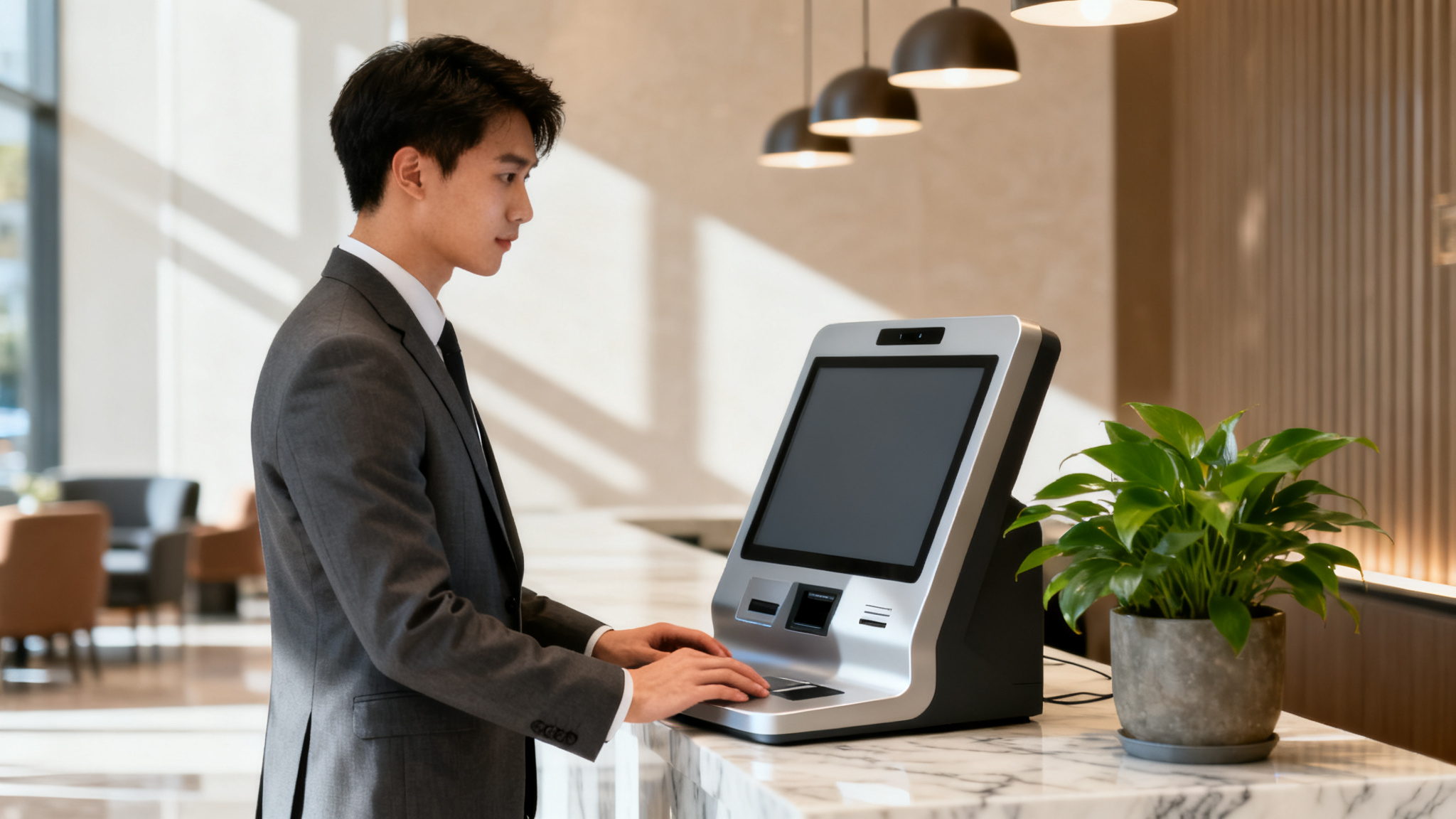
The real challenge in amenity monetization isn't just charging for a sauna or an EV charger, it's doing so without adding staff or complex access systems. Many condo boards and Airbnb hosts in provinces like British Columbia or Ontario avoid charging because the operational overhead of managing bookings, collecting cash, and coordinating key handovers feels too high. The "unstaffed" approach solves this by automating every step, letting a guest scan, pay, and get temporary access directly from their phone browser.
Benefits of Unstaffed Monetization
- Reduced Overhead: Automated booking and payment systems cut administrative time for amenity management by up to 40%, according to industry estimates. This frees up property managers or hosts from manual tasks.
- Passive Income: Once set up, systems like QROpen allow guests to pay-per-use for amenities such as a meeting room in a downtown Toronto condo or a hot tub at a Muskoka cottage. The system handles the transaction and activation without human intervention.
- Secure, Temporary Access: QR-code activated smart relays (e.g., a Shelly Plus 1 connected to a sauna's power) grant access only after successful payment. This means a guest pays $15 for 30 minutes of sauna use, and the device turns on for exactly that duration.
- No Apps Needed: Guests scan a QR code with their phone camera, pay using Apple Pay or Google Pay in their browser, and activate the amenity. There's no app to download, no account to create, which removes a major barrier for casual users.
- Scalability for Small Operators: This model is ideal for individual Airbnb hosts or small condo boards looking to understand how to monetize condo amenities Canada-wide without a full-scale property management system overhaul.
Considerations for Implementation
- Initial Setup: Requires a one-time installation of smart relays or IoT devices for each amenity. A local electrician can typically install a smart relay in under an hour per device.
- Internet Dependence: The system relies on a stable internet connection at the amenity location for payment processing and device activation. This is usually not an issue in modern condo buildings.
- Physical Security: While access is digital, the physical security of the amenity itself (e.g., a locked door to a gym) still needs to be managed separately if not integrated with the smart relay.
- Bylaw Compliance: Condo boards must ensure their bylaws permit charging for amenities. This often requires a vote and clear communication with residents in provinces like Alberta or Quebec.
- Maintenance & Support: While automated, you still need a plan for device maintenance and addressing guest issues if a device fails to activate.
"We used to just leave the hot tub key at the front desk, and it was a mess. Now, guests pay on their phone, and the power just turns on for their session. It's so much simpler." — short-term rental host, Canmore
This automated approach fundamentally shifts the economics of amenity management, turning what was once a cost centre or an underutilized asset into a reliable revenue stream
Tailored Monetization Strategies for Specific Amenities (EV Chargers, Saunas, Meeting Rooms & More)
Tailored Monetization for Specific Amenities
Charging for a meeting room is not the same as charging for an EV charger. The unique value proposition and operational needs of each amenity dictate how you price it, manage access, and promote it. A common oversight for condo boards and short-term rental hosts in Canada is applying a one-size-fits-all approach, losing revenue by ignoring distinct user behaviours.
For instance, an EV charger needs per-kWh billing, while a sauna usually works best with timed, fixed-rate sessions. Understanding these differences is key to successful monetization. Industry estimates suggest automated booking and payment systems can cut administrative overhead for amenity management by up to 40%, making these tailored strategies feasible without adding staff.
"We needed a way to charge for our EV spots without installing a whole new system or hiring someone to manage payments. The per-kWh billing was a non-negotiable for fairness." — Condo board treasurer, Vancouver
Here's how different amenities demand different approaches when you're looking at how to monetize condo amenities Canada:
| Amenity Type | Recommended Pricing Model | Access & Usage Tech | Promotion Strategy |
|---|---|---|---|
| EV Charger | Per kWh (e.g., $0.30/kWh) + optional session fee ($2) | Smart relay (e.g., Shelly Plus 1) connected to charger's contactor; kWh meter integration | Prominently list on STR sites (Airbnb); dedicated signage in parking area |
| Sauna/Hot Tub | Timed sessions (e.g., $15 for 60 mins) | Smart relay for power/heater control; timer-based access | Highlight as a luxury amenity in building guides; package with longer stays |
| Meeting Room | Hourly rate (e.g., $25/hour) or half-day/full-day blocks | Smart lock (e.g., Igloohome) with temporary codes; QR code for entry | Target remote workers, small businesses; internal condo communications |
| Laundry Facilities | Per load (e.g., $3.00/wash, $2.50/dry) | Smart relay on machines; usage tracking | Standard amenity, focus on ease-of-use (no coins needed) |
| Bike Storage | Monthly subscription (e.g., $20/month) | Smart lock on secure room; QR code for entry | Target residents; promote as secure alternative to in-unit storage |
Each amenity presents a distinct opportunity to generate revenue, often with minimal hardware investment beyond a smart relay or lock, and a platform like QROpen to handle payments and access.
Understanding user behaviour is also critical. An EV charger might see peak demand overnight, while a meeting room is busiest during weekday business hours. Adjusting pricing and availability to these patterns can maximize your income without increasing operational complexity.
Choosing the Right Digital Platform for Seamless Amenity Booking & Payment
Choosing a Digital Platform for Unstaffed Amenity Access
The real challenge in figuring out how to monetize condo amenities in Canada isn't just setting a price; it's finding a platform that handles booking, payment, and access without adding staff overhead or requiring complex integrations. Many condo boards in cities like Vancouver or Toronto are stuck with sign-up sheets or keys, missing out on revenue because traditional access control systems are too expensive or clunky for individual amenities. The goal is a system that works like a vending machine: scan, pay, use.| Feature/Aspect | Basic Calendar System (e.g., Google Calendar) | Traditional Access Control (e.g., Kisi, Salto) | QR-Code Pay-Per-Use (e.g., QROpen) |
|---|---|---|---|
| Payment Processing | None (manual collection required) | Often requires separate billing integration or staff | Secure in-browser payment (Stripe integration) |
| Guest App Required? | No, but no automated access | Yes, typically for booking and access | No, browser-based for guests |
| Access Control Method | Manual key exchange or staff oversight | Keycards, fobs, or smartphone app unlock | Smart relay activation (e.g., Shelly Plus 1) |
| Cost-Effectiveness (Platform Fee) | Free, but high labour cost | High upfront hardware + monthly software fees ($50-$200+/month per door) | Low, transparent percentage fee (e.g., QROpen's 3% per transaction), no monthly fees |
| Administrator Setup & Management | Simple calendar setup, but manual payment/access management | Complex installation, IT involvement, ongoing software management | Simple device pairing, intuitive dashboard for pricing/scheduling |
| Scalability | Limited, increases manual workload | High, but cost scales linearly with devices | High, simple to add new devices/amenities |
Step-by-Step: Launching Your Amenity Monetization Program in Canada

Amenity Assessment & Opportunity Identification
Begin by listing all common areas in your building or property. Think beyond the obvious gym or party room. Is there an underused hot tub in your Airbnb cottage that guests rarely book? A meeting room in your downtown Toronto condo that sits empty most weekdays? An EV charger in the parkade that only one resident uses? These underutilized assets are prime candidates for monetization. Industry reports suggest desirable amenities can boost property value and rental appeal by 5-20%.
Legal & Bylaw Review
Before you charge for anything, consult your condo board's bylaws and provincial regulations. For example, in Ontario, the Condominium Act, 1998, outlines how corporations can levy charges. Ensure your plan aligns with existing rules regarding common elements and shared facilities. This step is critical to avoid future disputes and ensure compliance when you charge for shared condo facilities in Canada.
Platform Selection & Setup
Choose an automated booking and payment system that fits your 'unstaffed' goal. Platforms like QROpen allow guests to scan a QR code, pay in their browser, and activate a device (like a sauna or EV charger) without needing an app or complex integration. For instance, connecting a Shelly Plus 1 relay to your sauna and linking it to a QR code can automate access and payment in minutes. Automated systems can reduce administrative overhead by up to 40%.
Pricing Strategy & Policy Development
Determine competitive, fair pricing. For an EV charger in a Vancouver condo, you might charge $0.50 per kWh or a flat $5 per hour. For a meeting room, consider an hourly rate of $20-$50, depending on capacity and location. Develop clear, concise usage policies: booking windows, cancellation rules, and any specific conduct expectations. Post these prominently near the amenity and within the booking interface.
Marketing & Communication
Inform residents and potential external users about the new offerings. A simple notice in the lobby, an email to the residents' list, or an update on your property's website can suffice. Clearly explain how to use the new system – "Scan the QR code, pay, and enjoy!" – and highlight the benefits, such as convenient access to the newly monetized sauna or meeting room.
Launch & Monitoring
Monetizing shared spaces in Canadian condos often raises specific questions. Property managers and condo boards need clear answers on legalities, costs, and practical implementation to confidently adopt unstaffed solutions for amenities like an EV charger or a meeting room. Yes, typically. Condo boards in provinces like Ontario or British Columbia can charge for amenity use if permitted by their specific declaration and bylaws. This often requires a clear amendment or existing provision. Always review your condo corporation's governing documents and consult legal counsel in your province (e.g., Alberta's Condominium Property Act) to confirm. An automated system for how to monetize condo amenities Canada can range from a few hundred dollars to several thousand. A basic setup for a single amenity, like a sauna, might involve a smart relay (e.g., Shelly Plus 1) for under $50, an access method (like a smart lock or QR code system) for $100-$300, and a platform fee (e.g., QROpen's 3% per transaction, with no monthly fees). More complex integrations with existing building access systems will increase costs. Fair access comes from transparent booking rules and a reliable system. Implement a clear reservation window, maximum usage limits (e.g., 2 hours for a yoga studio), and a first-come, first-served policy. Some platforms allow staggered booking releases or priority access tiers, but simple, clear rules are often best for resident satisfaction. Charging for amenity use generally requires reviewing your condo corporation's existing liability insurance. While resident use is often covered, commercial activity might require an endorsement. Consult your insurer to ensure adequate coverage for any incidents occurring during paid amenity use, especially for higher-risk amenities like hot tubs or gyms. Many unstaffed systems can integrate with existing access controls. For example, a smart lock (like Igloohome) can be programmed to open only during a paid reservation. For amenities like EV chargers, a smart relay (e.g., from a company like Seam) can activate power only after payment, without touching the building's main access system. The goal is often to keep these systems separate but coordinated. Yes, it's common to offer different pricing. Residents might get a discounted rate or free access for a certain number of uses, while non-residents (e.g., short-term rental guests) pay a higher premium. This helps balance community benefit with revenue generation. The platform you choose should support tiered pricing structures. Addressing these common questions upfront helps condo boards and
Yes, generally. Condo corporations can charge for exclusive use of common elements if permitted by their declaration or bylaws. This is common for guest suites or party rooms. The key is ensuring the charge is reasonable and aligns with the corporation's governing documents. Legal counsel should always review proposed fee structures to ensure compliance with provincial Condominium Acts and the specific condo's bylaws. For EV chargers, implement a pay-per-use system with smart chargers (e.g., ChargePoint, FLO) or simple smart relays (e.g., Shelly Plus 1) connected to a booking/payment platform. For meeting rooms, use a digital booking system that integrates access control (e.g., Igloohome smart locks) and collects payment per hour or session. QROpen offers a platform for both, allowing residents to book and pay directly without installing an app. Monetizing underutilized amenities like a rarely-used yoga studio or a vacant guest suite generates non-fee revenue, reducing the burden on common expense contributions. This additional income can offset maintenance costs, fund capital improvements, or even lower monthly condo fees. It also ensures fair usage, as those who benefit most contribute directly, rather than all owners subsidizing infrequent users. Yes, several platforms cater to this. Options range from general booking software to specialized condo amenity management systems. QROpen, for instance, provides a web-based solution where residents book and pay via a QR code or direct link, without needing to download an app. Other systems like Concierge Plus or BuildingLink offer broader property management features, often including amenity booking modules. First, review and amend condo bylaws to permit charging for specific amenities. Next, select appropriate hardware (e.g., smart locks, smart relays for EV chargers) and a booking/payment platform (like QROpen). Then, establish clear pricing and usage rules. Finally, communicate the new system to residents, providing instructions on booking and payment, and ensure staff are trained on managing the program.Maximizing Profitability and Resident Satisfaction: Best Practices
Maximizing Profitability and Resident Satisfaction
The real challenge in monetizing condo amenities isn't just setting up payments; it's balancing revenue with the primary purpose of these spaces: serving residents. An underused party room or gym might generate zero income, but over-monetizing it can alienate the community. The goal is to find the sweet spot, where amenities are both accessible and contribute to the building's financial health, without requiring constant staff oversight. For example, a small gym in a downtown Toronto condo might implement a booking fee for peak hours, ensuring availability for serious users while still offering off-peak access at a lower rate or even free.
Collecting feedback is essential for this balance. A quarterly survey, distributed through the condo's internal communication system, can pinpoint amenities that residents feel are overpriced or under-maintained. For instance, if 30% of residents report the EV charger is too expensive, a condo board in Vancouver might adjust its per-minute rate from $0.35 to $0.25, potentially increasing usage and overall revenue despite the lower unit price. Transparent accounting of how revenue is generated and reinvested also builds trust, especially when implementing new pay-per-use systems for amenities like a hot tub or sauna.
Dynamic pricing, a common strategy in the short-term rental market, also applies to how to monetize condo amenities Canada. Charging more for a meeting room on a weekday afternoon versus a Saturday morning reflects demand. Platforms like QROpen allow this flexibility, letting an owner in a mid-sized urban daycare adjust the hourly rate for a shared play space based on real-time availability and historical booking patterns. This approach ensures revenue optimization without manual price changes.
Ultimately, successful amenity monetization hinges on a continuous cycle of implementation, feedback, and adjustment. The next step involves selecting the right digital platform that supports these best practices, integrating seamlessly into your existing operations without adding layers of complexity or requiring significant capital outlay.
FAQ: Common Questions About Monetizing Condo Amenities in Canada
Quick Reference: Amenity Monetization in Canada
Frequently Asked Questions
Can condo corporations in Canada legally charge for amenity use?
How can Canadian condos monetize EV chargers and meeting rooms?
Why should a condo corporation monetize its unused amenities?
Is there a good digital platform for booking and paying for condo amenities in Canada?
What steps are involved in launching a paid amenity program in a Canadian condo?
Frequently asked questions
- Can condo corporations in Canada legally charge for amenity use?
- Yes, generally. Condo corporations can charge for exclusive use of common elements if permitted by their declaration or bylaws. This is common for guest suites or party rooms. The key is ensuring the charge is reasonable and aligns with the corporation's governing documents. Legal counsel should always review proposed fee structures to ensure compliance with provincial Condominium Acts and the specific condo's bylaws.
- How can Canadian condos monetize EV chargers and meeting rooms?
- For EV chargers, implement a pay-per-use system with smart chargers (e.g., ChargePoint, FLO) or simple smart relays (e.g., Shelly Plus 1) connected to a booking/payment platform. For meeting rooms, use a digital booking system that integrates access control (e.g., Igloohome smart locks) and collects payment per hour or session. QROpen offers a platform for both, allowing residents to book and pay directly without installing an app.
- Why should a condo corporation monetize its unused amenities?
- Monetizing underutilized amenities like a rarely-used yoga studio or a vacant guest suite generates non-fee revenue, reducing the burden on common expense contributions. This additional income can offset maintenance costs, fund capital improvements, or even lower monthly condo fees. It also ensures fair usage, as those who benefit most contribute directly, rather than all owners subsidizing infrequent users.
- Is there a good digital platform for booking and paying for condo amenities in Canada?
- Yes, several platforms cater to this. Options range from general booking software to specialized condo amenity management systems. QROpen, for instance, provides a web-based solution where residents book and pay via a QR code or direct link, without needing to download an app. Other systems like Concierge Plus or BuildingLink offer broader property management features, often including amenity booking modules.
- What steps are involved in launching a paid amenity program in a Canadian condo?
- First, review and amend condo bylaws to permit charging for specific amenities. Next, select appropriate hardware (e.g., smart locks, smart relays for EV chargers) and a booking/payment platform (like QROpen). Then, establish clear pricing and usage rules. Finally, communicate the new system to residents, providing instructions on booking and payment, and ensure staff are trained on managing the program.
Keep reading
QR Code Access for Coworking & Amenities: Profit in Canada
Traditional access control systems are surprisingly costly, making amenity monetization uneconomical for Canadian property managers. The best QR code access for coworking spaces offers ultra-low hardware and flexible software to enable profitable small-ticket monetization.
QR Code Pay-Per-Use: Independent Gym Amenity Access Control
Many gym owners struggle with monetizing premium amenities, believing it requires staff or complex systems. However, most consumers now prefer self-service for payments and access, presenting a new opportunity.
Unlock Revenue: QR Code Payment for Gym Shower Access in Under an Hour
Many Canadian gym owners overlook a surprising source of revenue: their showers. A simple QR code payment for gym shower access system can unlock this hidden income stream in under an hour, avoiding complex integrations and high costs.