
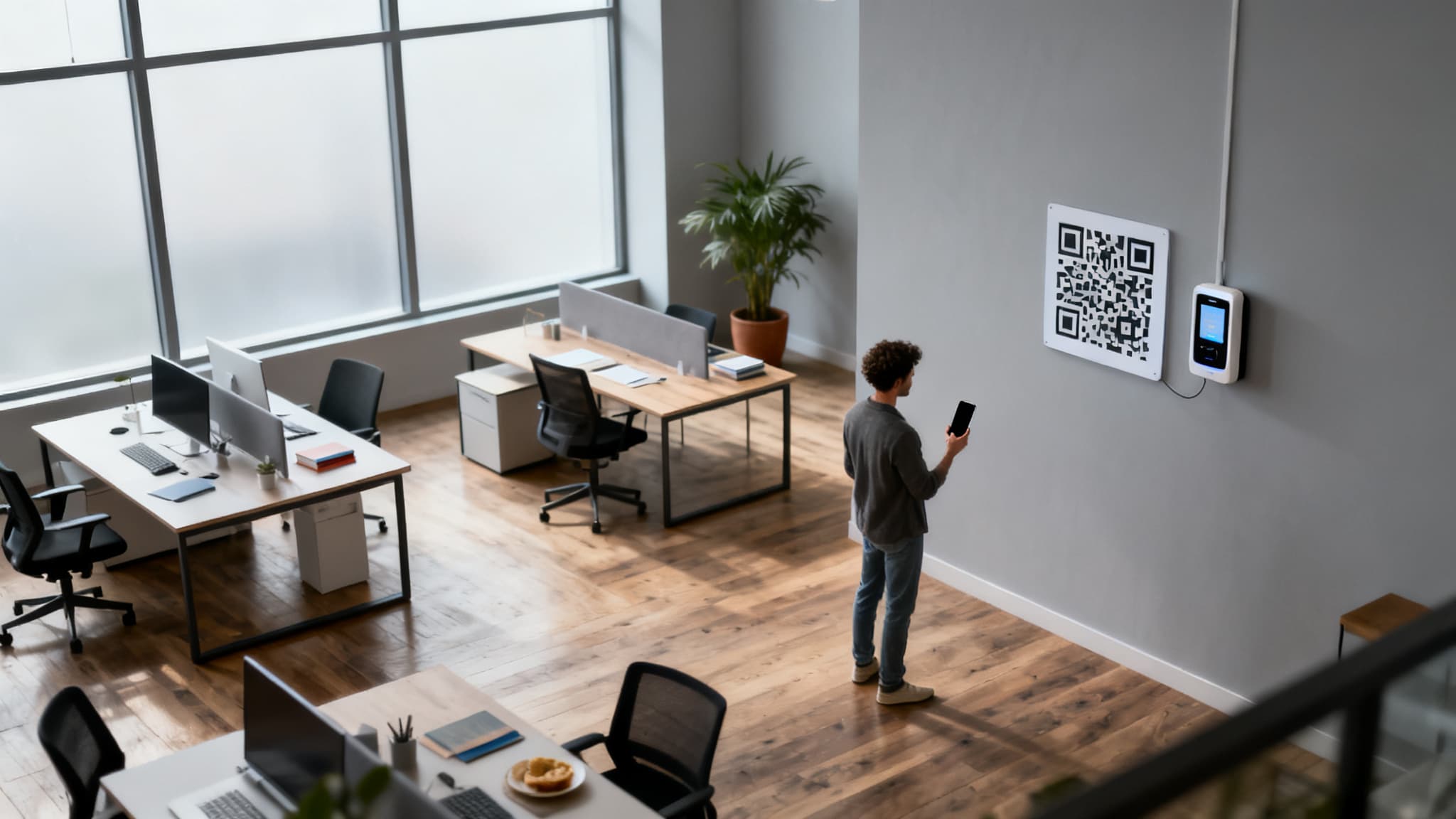
QR Code Access for Coworking & Amenities: Profit in Canada
Traditional access control systems are surprisingly costly, making amenity monetization uneconomical for Canadian property managers. The best QR code access for coworking spaces offers ultra-low hardware and flexible software to enable profitable small-ticket monetization.
The Unmet Challenge: Monetizing Underutilized Amenities in Canada
The Unmet Challenge: Monetizing Underutilized Amenities in Canada
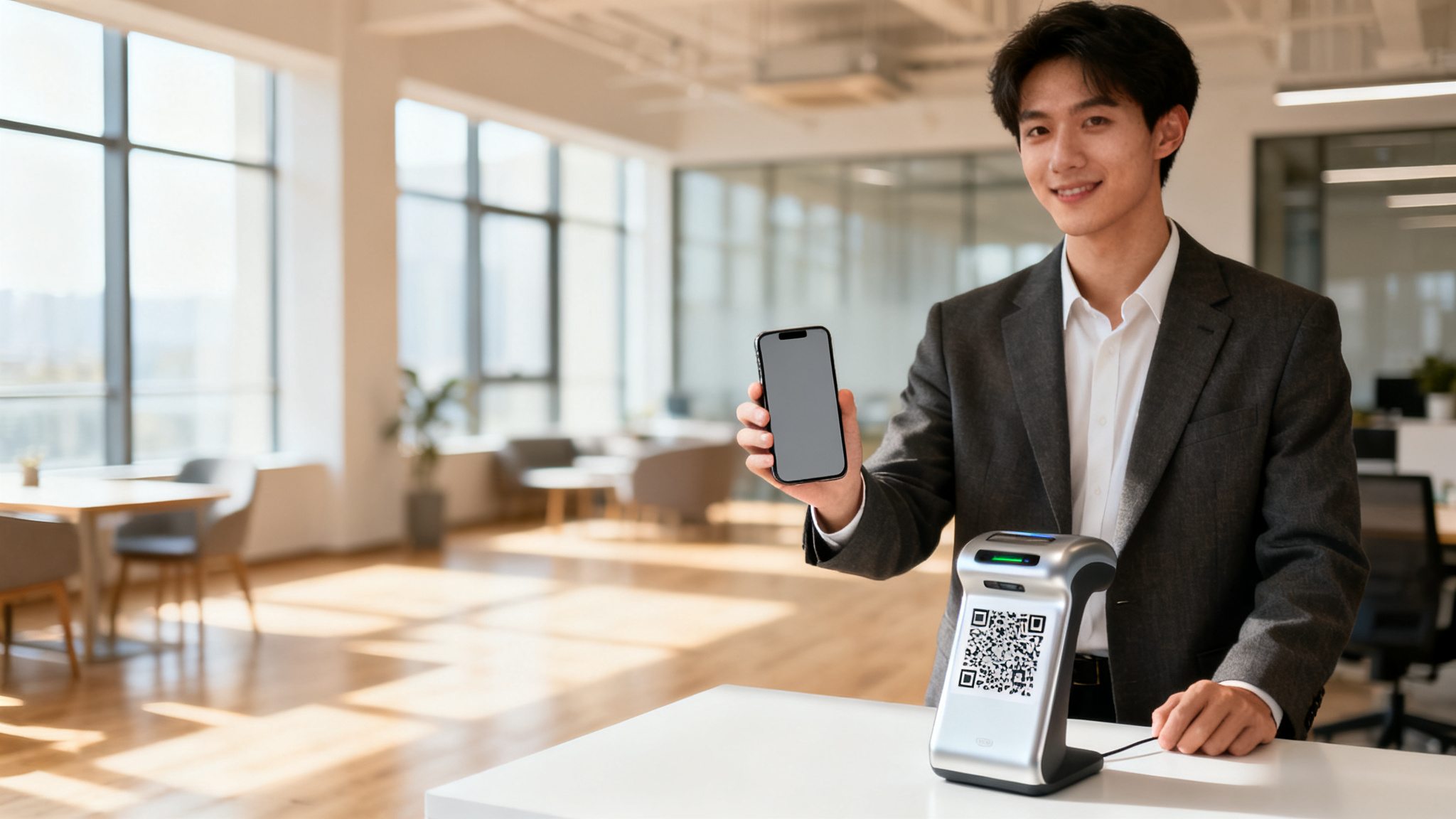
While many Canadian property managers look to monetize amenities like EV chargers or saunas, the real hurdle isn't demand, but the surprising cost of traditional access control. A typical RFID system for a single amenity in a Toronto condo building can run $5,000-$10,000 upfront, plus monthly software fees and integration costs. This often makes charging $5-10 per use uneconomical. The best QR code access for coworking spaces and other unstaffed amenities must therefore prioritize ultra-low hardware costs and a pay-as-you-go software model to make small-ticket monetization feasible.
Most Canadian property owners overlook a significant revenue opportunity because their amenity spaces sit idle or are given away for free. Consider a small gym in an Ottawa apartment building or a shared laundry room in an Airbnb cottage in Muskoka. High overheads, like staffing a front desk or installing complex keycard systems, often kill any profit motive for charging guests or residents. Traditional solutions demand significant capital expenditure and ongoing maintenance, turning potential profit centres into cost sinks. This issue is particularly acute for flexible, short-term, or on-demand use cases where user turnover is high.
Managing diverse user groups across multiple amenities also creates headaches. A coworking space in Vancouver might need to grant hourly access to a meeting room, while a condo board in Montreal wants to charge for use of a guest suite by the night. Integrating new access technology with existing property management or booking systems becomes a major pain point, often requiring expensive custom development or leading to operational disruptions. Without simple, secure, and affordable solutions, these amenities remain underutilized, and valuable revenue is left on the table. Industry reports indicate that properties monetizing previously free amenities can see revenue increases of 10-25% from these new income streams, highlighting the scale of the missed opportunity.
"We had a perfectly good sauna in our condo, but the cost of managing keys and tracking usage meant it sat empty most of the time. We needed a way to let residents pay a small fee without adding staff." — Condo board president, Calgary
The core problem isn't a lack of desire to monetize, but a lack of accessible tools. Property managers and owners struggle to track usage data and revenue generation efficiently across various amenities without resorting to manual logs or complex spreadsheets. This inefficiency means missed opportunities to optimize pricing, identify peak usage times, and understand which amenities are most valued by their users. Without a system designed for unstaffed, pay-per-use scenarios, the path to turning an idle amenity into a reliable income stream remains blocked.
Why QR Code Access is the Game-Changer for Unstaffed Facilities
QR Code Access: The Smart Choice for Unstaffed Amenities
While everyone talks about AI in education, the real, immediate shift for many Canadian property managers isn't in complex algorithms, but in something far simpler: getting paid for what's already there. Many amenities sit idle or operate at a loss because the cost of staffing them or installing traditional keycard systems is too high. This is especially true for coworking spaces, condo laundry rooms, and small gyms in places like downtown Halifax or a suburban Calgary strip mall. QR code access cuts through this problem by offering a robust, low-overhead alternative.
Traditional access systems, like RFID keycards or fobs, demand significant upfront investment and ongoing management. A typical installation for a multi-door setup in a mid-sized coworking space can easily run into the tens of thousands of dollars, plus the administrative burden of issuing and revoking physical credentials. QR code systems, by contrast, often only require a smart relay switch, like a Shelly Plus 1, for each door or appliance, costing under $50 per unit. This dramatically reduces the barrier to entry for monetizing spaces that previously seemed unfeasible.
"We had a sauna sitting empty most days in our Ottawa coworking space because staff couldn't manage bookings and payments. Now, a QR code sticker handles it all. We're actually making money from it." — coworking space manager, Ottawa
These numbers aren't just theoretical; they reflect a tangible shift. With roughly 70% of consumers preferring contactless payment methods, a QR-based "scan, pay, unlock" flow aligns directly with user habits. This frictionless experience, where guests simply scan a code with their phone, pay in their browser, and gain access, eliminates the need for downloading apps or registering accounts, which are common hurdles for traditional systems. For a property owner in Vancouver looking for the best qr code access for coworking spaces, this simplicity translates directly into higher adoption and usage rates for amenities like meeting rooms, hot tubs, or even specialized equipment.
The operational savings are equally compelling. Automated QR code access can reduce management costs by up to 50% compared to relying on staff to manage amenity bookings and payments. This allows
Key Features to Look for in a QR Code Access & Payment System
Key Features for QR Code Access & Payment Systems
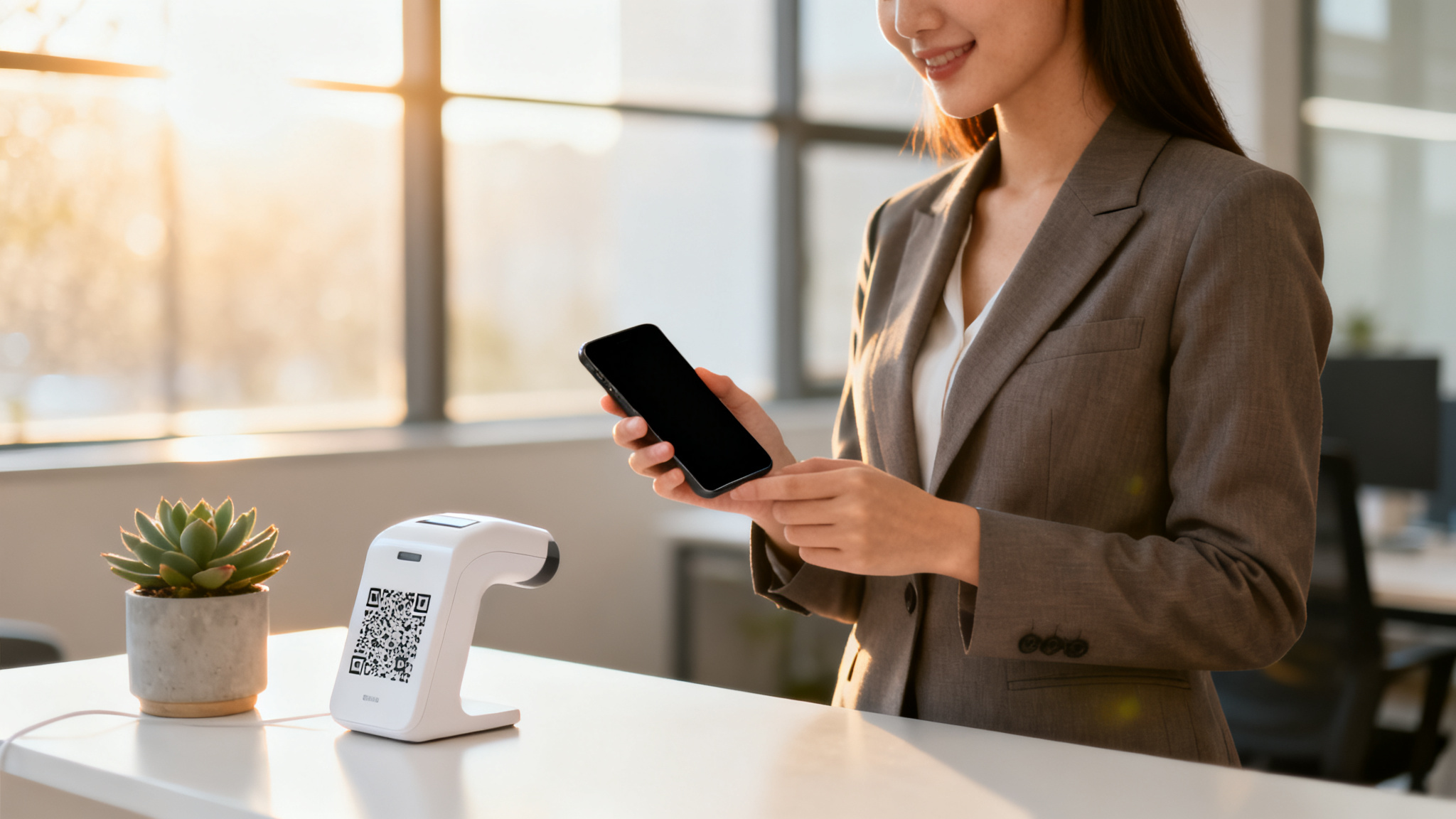
Choosing a QR code system for your property's amenities isn't about the flashiest tech; it's about practical features that drive revenue and simplify operations. Operators in downtown Toronto coworking spaces or a rural Airbnb cottage need solutions that guests actually use, without installing another app.Quick Reference: Essential QR Access Features
Guests scan a QR code and complete their payment or access request directly in their web browser. This frictionless experience, like QROpen offers, removes a major barrier to adoption, especially for drop-in users at a small gym or a visitor to a condo's guest suite.
A system should handle transactions securely and transparently. Look for Canadian-friendly options that integrate directly, process major credit cards, and clearly state their fee structure (e.g., QROpen’s 3% platform fee, as noted in their recent update). This avoids juggling separate payment gateways.
Secure access control is non-negotiable. The system must generate unique, time-sensitive QR codes for each use and provide detailed logs of who accessed what, and when. This accountability is vital for a multi-tenant office building in Vancouver or a shared laundry room in a student residence.
Prioritize solutions that are simple to install and manage. For an unstaffed hot tub at an Airbnb in Muskoka or a meeting room in a small business centre, you need hardware that connects easily to existing locks or appliance power, without requiring an IT team or complex wiring.
Understanding usage patterns and revenue is key to optimization. The best qr code access for coworking spaces and other amenities provides dashboards showing peak usage times, revenue per amenity, and conversion rates. This data helps a condo board in Montréal decide if their new fitness room is covering its costs.
"If my guests need to download an app just to use the pool table, they won't bother. It has to be as simple as tapping their credit card." — Airbnb host, CanmoreUltimately, the right system will balance user convenience with your
Boosting Your Bottom Line: Real-World ROI from QR Code Amenity Monetization
Boosting Your Bottom Line: Real-World ROI from QR Code Amenity Monetization
The overlooked truth about amenity spaces in many Canadian properties is that their true value isn't just in attracting residents or members, but in their untapped potential as direct revenue streams. While 80% of residents consider amenities important when choosing a place to live, according to a 2023 NMHC/Kingsley Associates report, most property owners fail to capture additional income from these high-value assets. Properties that do monetize previously free or underutilized amenities often see their revenue increase by 10-25% from these new income streams alone. For instance, a condo board in Burnaby might transform its seldom-used meeting room into a bookable, pay-per-hour space. Or an Airbnb cottage owner near Mont-Tremblant could offer a pay-per-use sauna or hot tub. Even a small gym in Halifax could add an EV charging station, monetizing each charge session with a simple QR code scan. This shift moves amenities from being pure cost centres to genuine profit drivers.QR Code Access vs. Traditional Systems: Cost, Convenience, and Security Compared
While traditional access systems offer robust security, their cost and operational complexity often make them unsuitable for monetizing unstaffed amenities like a shared gym in a Vancouver condo or a hot tub at an Airbnb cottage in Prince Edward Island. The true irony is that many properties still rely on insecure shared door codes because the alternatives seem too expensive or difficult to manage.
| Feature/Aspect | QR Code Access (e.g., QROpen) | Key Fobs/RFID Systems | Shared Door Codes/Manual Keys |
|---|---|---|---|
| Upfront Cost | Low (device & QR sticker: ~$50-$200 per point) | High (readers, wiring, software: $500-$2000+ per door) | Very Low (no hardware beyond lock) |
| Ongoing Maintenance | Low (cloud platform fee, ~3-5% of revenue) | Moderate (software updates, lost fobs, hardware repair) | Moderate (rekeying, code changes, administrative burden) |
| User Convenience | High (scan & pay in browser, no app/fob needed) | Moderate (requires carrying a physical fob/card) | Moderate (memorizing codes, risk of sharing) |
| Security | High (dynamic, time-limited, single-use codes) | High (encrypted, individual credentials) | Very Low (easily shared, no audit trail) |
| Scalability | High (add devices easily, cloud-managed) | Moderate (complex for new locations, wiring needs) | Low (manual management scales poorly) |
| Management | Centralized cloud dashboard for all amenities | Dedicated software, often on-premise or complex cloud setup | Manual tracking, spreadsheets, direct communication |
For Canadian operators seeking the best QR code access for coworking spaces, small gyms, or even a single laundry room, the simplicity and cost-effectiveness of a QR-first approach like QROpen is clear. It offers modern security without the prohibitive installation costs or the hassle of distributing physical credentials.
Implementing QR Code Access: A Simple Guide for Any Property Type
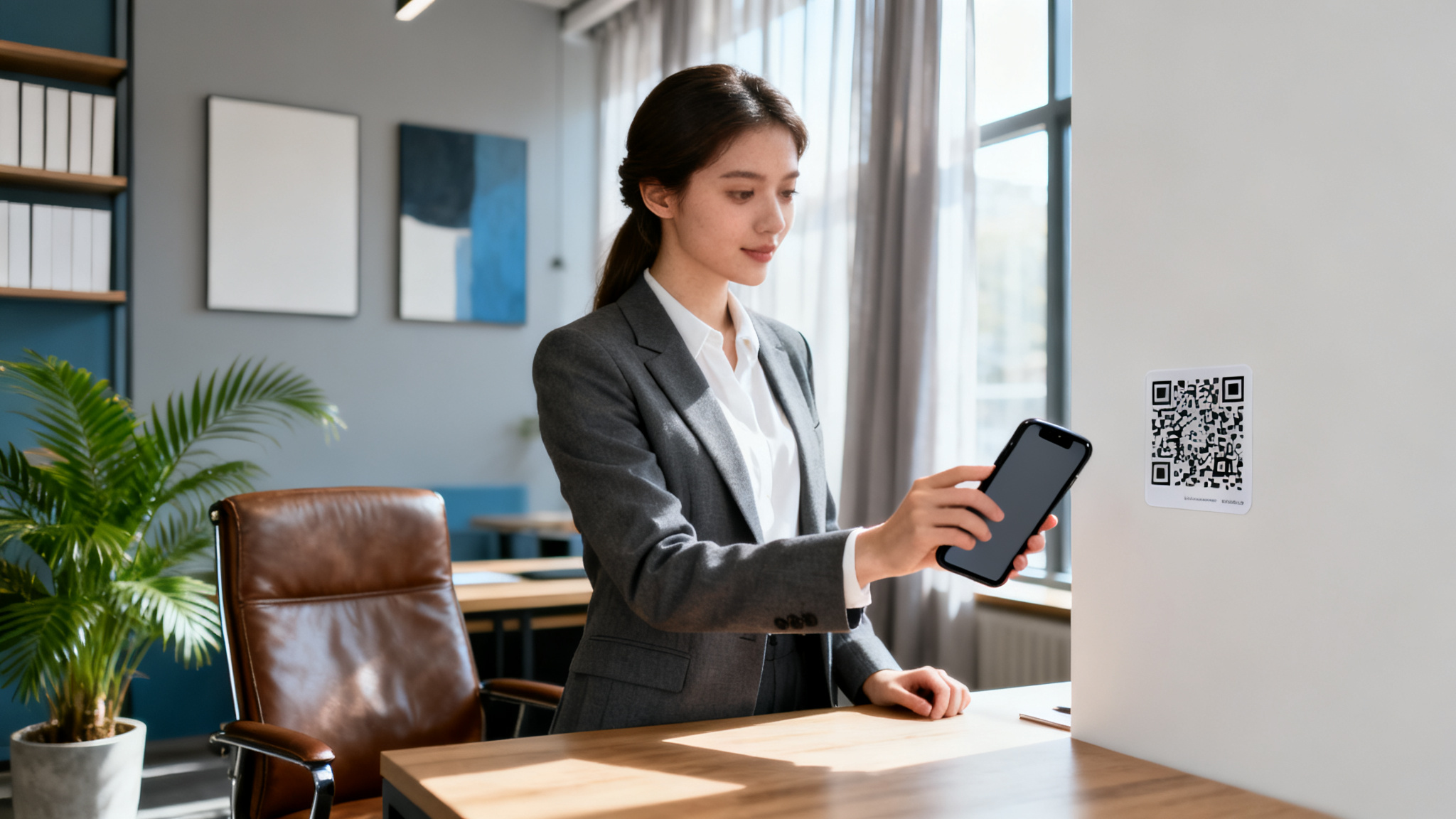
Converting underutilized amenities into revenue streams doesn't require complex integrations or a team of IT specialists. The real irony is that the simplest solutions often yield the fastest returns, allowing property owners to quickly monetize spaces like a hot tub in a Whistler Airbnb or a meeting room in a downtown Toronto coworking space.
Assess Your Amenities
Identify which amenities are sitting idle or underused. This could be a sauna in a Vancouver condo building, the guest laundry room in a small-town motel, or an EV charger in a suburban office park. Focus on spaces that guests or residents would pay a small fee to access on-demand. For instance, a small gym with an unstaffed massage chair or tanning bed could generate significant ancillary income if made available via pay-per-use.
Choose a User-Friendly Platform
The key is simplicity for both the operator and the end-user. Look for systems that offer "pay-per-use unlock for property amenities" without requiring guests to download an app. Platforms like QROpen let guests scan a QR code, pay in their browser, and activate the amenity. This approach eliminates the friction of app installs, which often deters casual users. For coworking spaces, this means members can quickly book and pay for a private call booth without needing special credentials or pre-bookings.
Simple Setup & Installation
Modern QR access systems are designed for quick deployment. Most involve placing a weather-resistant QR sticker near the amenity and connecting a smart relay device, such as a Shelly Plus 1, to the amenity's power source. This device receives the "unlock" signal from the platform. A senior kindergarten teacher in Halifax could set this up in an hour for a classroom's shared laminator, showing how minimal the technical barrier is. The total hardware cost for a single amenity often falls under $100.
Set Pricing & Access Rules
Define clear pricing (e.g., $5 for 30 minutes of hot tub use, $2 per EV
An effective QR code access system needs time-limited access control, allowing a member to use a private office only for their booked slot, say 9 AM to 1 PM. Robust member management, integration with existing booking software, and detailed audit logs are also critical. For instance, tracking who accessed the podcast studio and when helps resolve disputes and monitor usage patterns. The system must also be easy to install on various door types and smart relays like a Shelly Plus 1. QR code access directly enables pay-per-use models for amenities that sit idle, like a private phone booth or a high-end massage chair. In an unstaffed facility in a mid-sized urban centre, members can book and pay for a specific amenity, receiving a unique, time-sensitive QR code for access. This transforms a cost centre into a revenue stream; a $10/hour charge for a soundproof meeting room can generate significant income without needing staff to manage bookings or keys. QR code access offers enhanced security by issuing unique, time-limited codes that expire after use, unlike physical keycards or fobs which can be lost or shared indefinitely. For a coworking space in downtown Montreal, this means no physical keys to manage or replace. Convenience improves because members receive instant access via their phone browser, eliminating app downloads or physical key distribution. The system also provides a clear audit trail of every entry, improving accountability. Coworking spaces, particularly smaller operations in suburban areas, are adopting QR code entry to reduce operational overhead and enhance member experience. It eliminates the need for staff to manage amenity bookings or distribute physical access credentials. For example, a coworking space in Halifax can offer 24/7 access to its gym or private offices without additional staffing costs. This automation provides flexibility for members and allows operators to scale amenity offerings efficiently. Yes, implementing QR code access can significantly boost ROI by converting underutilized amenities into revenue generators. By charging for access to items like a premium printer, a private nap pod, or a dedicated video conferencing room, operators create new income streams. Reduced labour costs from automated access management further improve margins. For a small coworking space, generating an extra $200-$500 per month from previously free amenities can lead to a payback period of just a few months for the access hardware.Choosing the Right QR Code Solution for Your Specific Amenity
Matching QR Access to Your Amenity's Needs
Many property owners mistakenly believe one-size-fits-all access control systems work for every amenity, but the reality is that optimal QR code solutions are highly specialized. A system ideal for a flexible coworking meeting room, for example, will fall short for managing a sauna's precise activation times or an EV charger's variable pricing. The most effective approach tailors the access technology to the specific operational demands and monetization goals of each unique space.
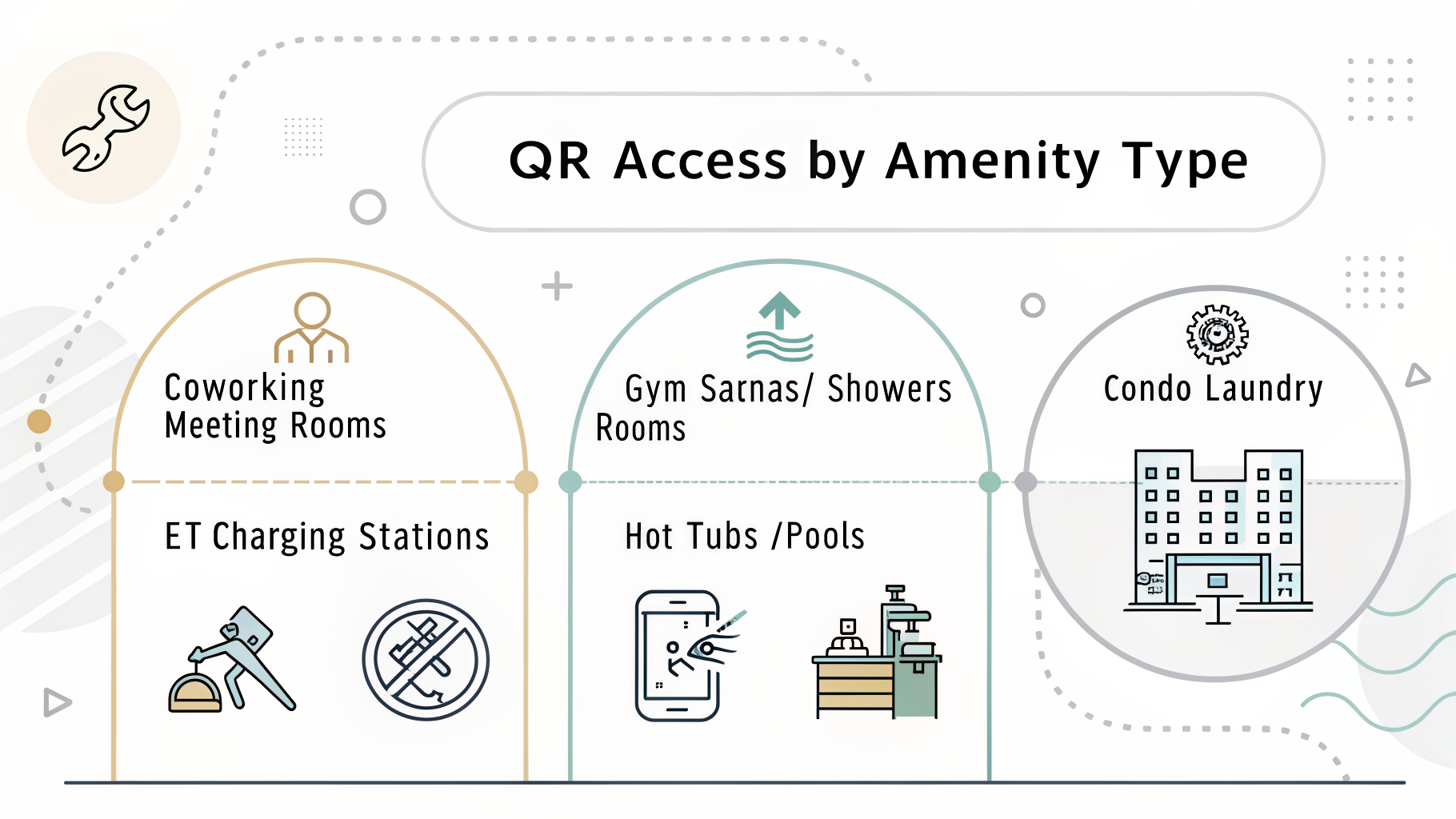
For coworking meeting rooms, the best QR code access for coworking spaces integrates directly with existing booking calendars. This allows a member to book a room for an hour, receive a unique QR code, and activate the door only during their reserved slot. This avoids staff overhead and enables precise hourly billing, a key revenue driver for many Toronto-based flexible workspaces. Conversely, monetizing an unstaffed gym sauna, common in smaller fitness centres in British Columbia, demands a system that can activate a specific device for a set duration after payment. This ensures the sauna heats only when paid for, preventing energy waste and unauthorized use.
Success Stories: How Canadian Properties are Profiting with QR Access
Canadian Properties Drive Revenue with QR Access
The real surprise in amenity monetization isn't just that QR code access works, but how quickly it delivers tangible revenue without adding staff. Property owners across Canada are seeing immediate returns, transforming overlooked spaces into consistent income streams. For instance, a Toronto coworking space managed to increase its meeting room revenue by 15% within three months. By implementing a QR code booking and payment system, they eliminated the need for dedicated staff to manage reservations and payments, streamlining operations and boosting their bottom line.
Even seemingly mundane spaces are becoming profit centres. A condo board in Vancouver, facing an underutilized laundry room, switched to a QR code payment solution and saw a 20% increase in revenue. Guests simply scan a QR code, pay through their browser, and the machine starts. Similarly, an independent gym in Calgary successfully monetized its sauna and hot tub, generating an average of $500 extra per month. This was achieved with a simple QR code access system, allowing members to pay for timed sessions without any additional staff oversight. This kind of flexibility is a key driver for properties looking to differentiate themselves, especially given that 80% of residents consider amenities important when choosing a place to live, according to a 2023 NMHC/Kingsley Associates report.
"We went from a rarely used hot tub to a consistent revenue stream in weeks. The QR system handles everything, and our members love the convenience." — gym owner, Calgary
Short-term rental hosts across Canada are also leveraging this technology. Properties from Tofino to the Laurentians can now charge guests for premium amenities like EV chargers or private lounges. This not only boosts income but also differentiates their listings in a competitive market. The ease of adoption and significant ROI make QR code access a smart investment for any Canadian property looking to monetize its amenities and stay competitive, especially when considering the global coworking market's projected 12-15% CAGR.
These examples highlight the practical application and immediate benefits of simple QR access systems. The next section will break down the specific features to look for when choosing a QR code access and payment system, ensuring you pick the right tools for your property's needs.
Frequently Asked Questions
What key features are essential for a QR code access system in a coworking space?
How can QR code access help monetize underutilized amenities in unstaffed coworking facilities?
Is QR code access more secure and convenient than traditional systems for shared office spaces?
Why are coworking spaces increasingly adopting QR code entry for amenity management?
Can implementing QR code access significantly improve the ROI for coworking space amenities?
Frequently asked questions
- What key features are essential for a QR code access system in a coworking space?
- An effective QR code access system needs time-limited access control, allowing a member to use a private office only for their booked slot, say 9 AM to 1 PM. Robust member management, integration with existing booking software, and detailed audit logs are also critical. For instance, tracking who accessed the podcast studio and when helps resolve disputes and monitor usage patterns. The system must also be easy to install on various door types and smart relays like a Shelly Plus 1.
- How can QR code access help monetize underutilized amenities in unstaffed coworking facilities?
- QR code access directly enables pay-per-use models for amenities that sit idle, like a private phone booth or a high-end massage chair. In an unstaffed facility in a mid-sized urban centre, members can book and pay for a specific amenity, receiving a unique, time-sensitive QR code for access. This transforms a cost centre into a revenue stream; a $10/hour charge for a soundproof meeting room can generate significant income without needing staff to manage bookings or keys.
- Is QR code access more secure and convenient than traditional systems for shared office spaces?
- QR code access offers enhanced security by issuing unique, time-limited codes that expire after use, unlike physical keycards or fobs which can be lost or shared indefinitely. For a coworking space in downtown Montreal, this means no physical keys to manage or replace. Convenience improves because members receive instant access via their phone browser, eliminating app downloads or physical key distribution. The system also provides a clear audit trail of every entry, improving accountability.
- Why are coworking spaces increasingly adopting QR code entry for amenity management?
- Coworking spaces, particularly smaller operations in suburban areas, are adopting QR code entry to reduce operational overhead and enhance member experience. It eliminates the need for staff to manage amenity bookings or distribute physical access credentials. For example, a coworking space in Halifax can offer 24/7 access to its gym or private offices without additional staffing costs. This automation provides flexibility for members and allows operators to scale amenity offerings efficiently.
- Can implementing QR code access significantly improve the ROI for coworking space amenities?
- Yes, implementing QR code access can significantly boost ROI by converting underutilized amenities into revenue generators. By charging for access to items like a premium printer, a private nap pod, or a dedicated video conferencing room, operators create new income streams. Reduced labour costs from automated access management further improve margins. For a small coworking space, generating an extra $200-$500 per month from previously free amenities can lead to a payback period of just a few months for the access hardware.
Keep reading
QR Code Pay-Per-Use: Independent Gym Amenity Access Control
Many gym owners struggle with monetizing premium amenities, believing it requires staff or complex systems. However, most consumers now prefer self-service for payments and access, presenting a new opportunity.
Unlock Revenue: QR Code Payment for Gym Shower Access in Under an Hour
Many Canadian gym owners overlook a surprising source of revenue: their showers. A simple QR code payment for gym shower access system can unlock this hidden income stream in under an hour, avoiding complex integrations and high costs.
Unlock Profit: Setting Up Pay Per Use Meeting Room in Canada
Underused meeting rooms are untapped assets waiting to generate income. Learn how a simple QR-code system makes setting up pay per use meeting room access easy, turning idle spaces into a reliable revenue stream.