
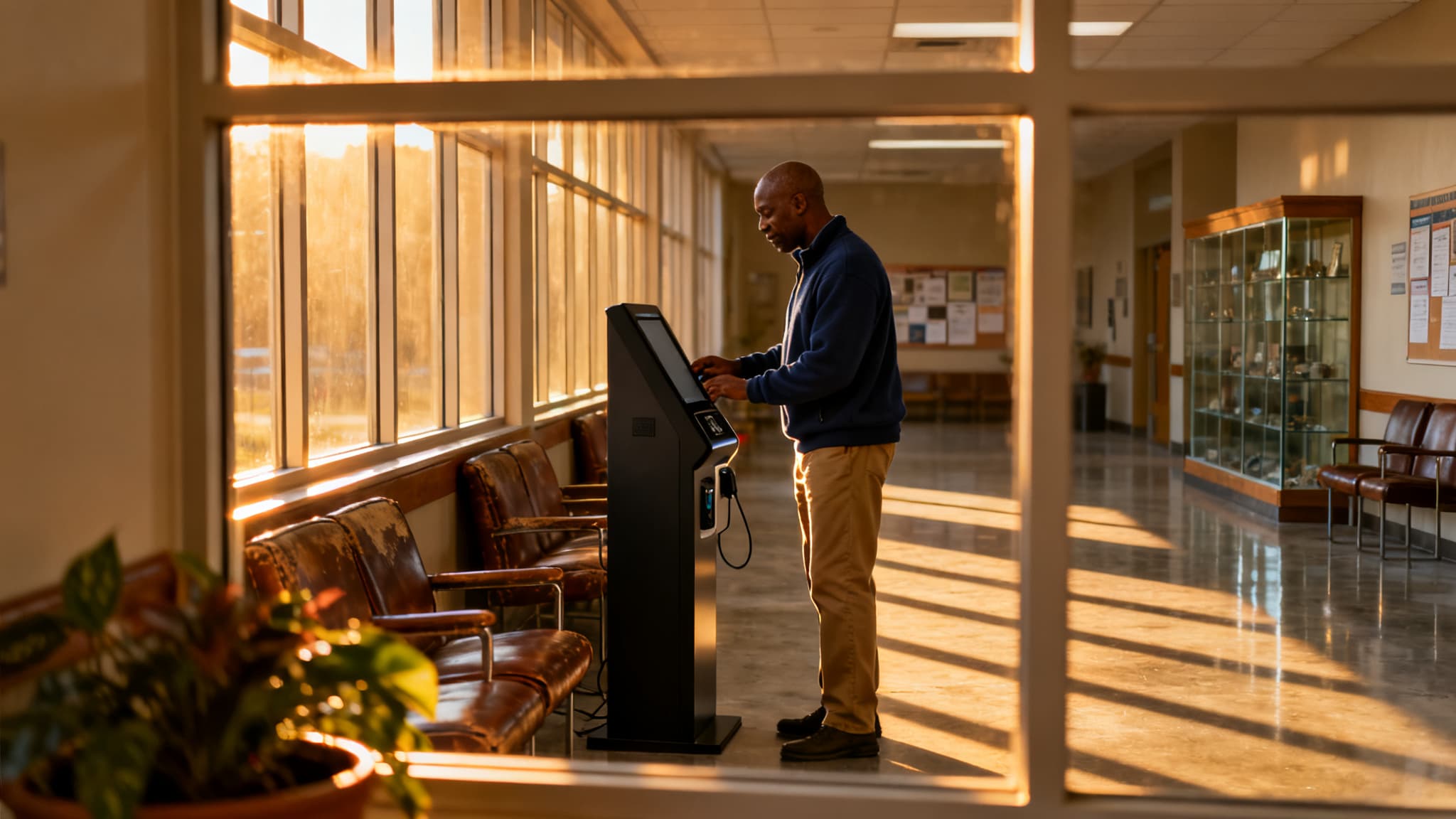
Calculating ROI for Pay Per Use Amenity Systems: A Canadian Guide
Many Canadian properties overlook how idle amenities become cost centres. Calculating the ROI for pay per use amenity systems transforms these assets into consistent, measurable income streams, boosting property value and rental income.

Understanding the True Value of Your Under-Used Amenities
Many Canadian properties overlook a crucial irony: the very amenities designed to attract guests and residents often sit idle, becoming cost centres rather than revenue generators. Calculating the ROI for pay per use amenity systems means quantifying how much these under-used assets – like a sauna in a British Columbia Airbnb cottage or a meeting room in a downtown Toronto coworking space – can directly contribute to profit. This goes beyond just covering costs; it involves transforming amenities from a sunk cost into a consistent, measurable income stream, often increasing property value by 5-10% and rental income by 10-20% according to various real estate reports.
The core problem for property operators, from a small gym in Halifax to a multi-unit condo building in Vancouver, is simple: how do you charge for an amenity without hiring staff or installing expensive, complex access control hardware? Unstaffed pay-per-use systems solve this by creating a low-friction transaction. Guests scan a QR code, pay in their browser, and the amenity activates. This removes the major barrier to monetization, making it financially viable to charge for access to a hot tub or a high-end Peloton bike.
"We had a perfectly good sauna in our condo building, but nobody wanted the hassle of booking it through admin or dealing with cash. Once we put a simple QR code on the door, usage shot up, and it started paying for itself within months." — condo board president, Calgary
Understanding ROI here helps justify the initial investment in a system like QROpen. It shifts the conversation from "is this worth it?" to "when does this pay itself back, and how much does it add to our bottom line?" With the global short-term rental market projected for significant growth, and EV charger installations expected to grow over 25% annually, the demand for premium, accessible amenities is only rising. Monetizing these assets isn't just about extra cash; it's a strategic move to future-proof property value and meet evolving guest expectations.
Beyond Revenue: The Hidden Cost Savings of Pay-Per-Use Systems
Beyond Revenue: The Hidden Cost Savings of Pay-Per-Use Systems
While direct revenue from amenity usage is straightforward, the true ROI for pay per use amenity systems often lies in significant, often overlooked, cost savings. Traditional amenity management, particularly for short-term rental hosts in British Columbia or condo boards in downtown Montreal, typically involves either costly staffing or complex, hardwired access control systems that pay-per-use solutions bypass entirely.
Operational Efficiencies
- Reduced Administrative Burden: Property managers without automated systems report spending 10-15 hours weekly on amenity booking and management. A system like QROpen eliminates this, freeing up staff for higher-value tasks.
- Lower Maintenance Costs: Automated usage tracking means better accountability. When guests or residents know their usage is logged, wear and tear on equipment like a sauna in an Alberta ski chalet can decrease, extending its lifespan and reducing repair frequency.
- Simplified Cost Allocation: Automated payment and tracking reduce disputes over who used what and when. This simplifies fair cost allocation for shared resources in multi-unit residential buildings or coworking spaces in Toronto.
- Enhanced Security & Accountability: Unsupervised amenities carry risks. Pay-per-use systems often integrate simple access controls that log usage, deterring misuse and potentially lowering liability or even insurance premiums for property owners.
Potential Trade-offs
- Initial Setup Time: While bypassing integrators, there's still a learning curve for property staff to set up and configure new hardware, like installing a Shelly Plus 1 relay for an EV charger.
- Dependency on Connectivity: These systems rely on stable internet or cellular connections. A power outage or network issue in a remote Airbnb cottage could temporarily disable amenity access.
- Guest Adoption: Some guests, particularly older demographics, might initially resist new payment methods, even browser-based ones. Clear instructions are vital.
- Hardware Reliability: Any physical device can fail. Choosing robust, industrial-grade hardware for high-traffic amenities minimizes downtime but adds to upfront cost.
"We used to have staff manually book the meeting room, chasing payments. Now, it just runs itself. That's 10 hours a week I can put back into marketing our coworking space." — coworking space manager, Vancouver
These hidden savings contribute directly to the bottom line, often equaling or exceeding direct revenue in the overall ROI calculation. Understanding these efficiencies allows property owners, from small gyms in Saskatoon to large condo corporations, to make a more informed financial case for implementing unstaffed amenity solutions.
A Step-by-Step Guide to Calculating Your Amenity System ROI
Calculating the true financial return of unstaffed amenities often feels like guesswork, but a structured approach reveals clear benefits. Property owners in Canada, from Airbnb hosts in Muskoka to condo boards in Vancouver, can demystify the ROI for pay per use amenity systems by following a simple, six-step process. This framework moves past vague projections, providing concrete numbers to guide investment decisions.Identify Initial Investment Costs
Start with all upfront expenses. This includes the pay-per-use system itself (e.g., a smart relay like a Shelly Plus 1 for a sauna, plus the QR signage), professional installation, and any necessary upgrades to the amenity. For instance, converting a standard laundry room might require smart washers/dryers or universal control modules, costing $300-$1,500 per machine.
Project Revenue Generation
Estimate usage based on your property type and amenity. An EV charger at a downtown Toronto coworking space might see 10-15 uses per week at $0.40/kWh. A sauna in an Airbnb cottage could generate $20 per 30-minute session, with 5-7 sessions weekly during peak season. Consumer surveys indicate users often pay a premium for convenient, on-demand access.
Calculate Operational Expenses
Factor in ongoing costs. This includes transaction fees (e.g., QROpen's 3% platform fee), increased electricity or water consumption from higher usage, and amenity-specific maintenance. A frequently used EV charger will add to your utility bill, for example, which should be offset by the per-use charge.
Quantify Cost Savings
Don't overlook reductions in spending. Automated systems eliminate roughly 10-15 hours weekly of administrative time spent on booking and managing amenity access, according to industry estimates. You also avoid the high cost and complexity of traditional access control systems or dedicated staffing.
"Before, I spent hours every week coordinating sauna bookings and collecting cash. Now, it just runs itself." — Airbnb host, Mont-Tremblant
Apply the ROI Formula
The standard formula is (Total Gains - Initial Investment) /
Choosing the right unstaffed amenity system directly dictates your return on investment. Many Canadian property owners initially consider traditional access control systems, often finding them too complex and expensive for simple pay-per-use scenarios like a sauna in an Airbnb cottage or a meeting room in a coworking space. These legacy systems typically demand significant upfront hardware costs, professional installation, and ongoing maintenance fees, often requiring deep integration with existing property management software. For example, installing a full-scale access control system for a single EV charger at a small gym in Calgary might cost $3,000 to $5,000 for hardware and setup alone. This cost often outweighs the potential revenue from a few charging sessions per day, making it difficult to achieve positive roi for pay per use amenity systems within a reasonable timeframe. Furthermore, these systems frequently require guests to download a specific app or register on a portal, creating friction that reduces adoption and usage rates. A senior kindergarten teacher in Halifax running an after-school program, for instance, won't want parents downloading a new app just to pay for a few hours of gym access. A simpler approach, like QR-code based systems, bypasses these hurdles. These solutions eliminate the need for guest apps or complex integrations, drastically cutting down setup costs and user friction. Guests simply scan a QR code with their phone camera, pay in their browser, and the amenity activates. This "no app, no integrator" model means a property manager in downtown Vancouver can enable pay-per-use for an amenity like a shared laundry room with a device costing under $100 and minimal setup time. When evaluating options, scrutinize the pricing model. Systems with transparent, low transaction fees and no monthly or per-device charges significantly impact your net revenue. For instance, QROpen charges a 3% platform fee on guest transactions, with no recurring costs, which helps maximize the profit from each use. Robust reporting and analytics are also crucial for accurately tracking usage and revenue, providing the data needed for ongoing ROI assessment and future pricing adjustments. Understanding the financial impact of unstaffed amenities moves from theory to practice with real-world examples. While the initial outlay for smart access hardware might seem like another expense, the speed at which these systems pay for themselves often surprises operators, revealing significant roi for pay per use amenity systems. These figures demonstrate that not only is rapid payback achievable, but the ongoing net revenue can significantly boost a property's overall profitability, especially as consumer behavior surveys indicate users will pay a premium for convenient, on-demand amenity access. Many property owners overlook a critical first step in amenity monetization: not every underused asset is ready for pay-per-use. The real irony is that the amenities with the highest potential often require the least upfront investment to switch over. Focusing on high-demand, low-friction amenities like EV chargers, guest laundry, or even a small meeting room in a coworking space will yield the best early returns. Start by assessing which amenities in your Toronto condo building or British Columbia Airbnb cottage are truly under-utilized. A sauna that sees 3-4 bookings a week, for example, has far more immediate monetization potential than a rarely-used boardroom. Look for clear demand signals; if guests frequently ask about EV charging, that's a prime candidate. Industry data shows EV charger installations are expected to grow by over 25% annually, making their monetization critical for property owners. Next, research system options. Traditional access control is often too complex and costly for a single amenity. Instead, explore unstaffed solutions that prioritize ease of setup and a smooth user experience. Tools like QROpen allow guests to scan a QR code, pay in their browser, and activate a device – no app downloads, no complex integrations. This app-free approach significantly lowers the barrier to entry for both you and your users. A senior kindergarten administrator in Toronto, managing shared facilities, put it well: Define your pricing strategy. For a shared laundry in a 100-unit apartment building in Halifax, $2.50 per wash and $2.00 per dry might be competitive. For a sauna in an Airbnb cottage near Whistler, a flat $25 for a 60-minute session could work. Consider local market rates and perceived value. Users are willing to pay a premium for convenience and on-demand access, according to ongoing consumer behaviour surveys. Communicate clearly with your users about the new system. Post prominent signage explaining how to use the QR code, the pricing, and any benefits. For instance, highlight that a pay-per-use EV charger means no more waiting for a free spot, or that paying for a meeting room guarantees privacy. After launch, monitor usage data and revenue. Are people actually using the amenity? Is your pricing too high or too low? Adjust as needed to optimize your roi for pay per use amenity systems. This iterative process ensures you're continuously improving both operational efficiency and financial returns. Many Canadian property operators wonder about the practicalities of monetizing their underused amenities. Concerns often revolve around initial costs, regulatory compliance, and how quickly these systems actually pay for themselves. A strong ROI means quick payback. Many simple systems, like those for a single EV charger or a small meeting room, can see positive returns within 1-3 months. Annual returns often exceed 100% after covering initial setup, especially for high-demand amenities in busy urban centres like Vancouver or Toronto. For a multi-unit residential building in Calgary, calculate total monthly revenue (e.g., 150 cycles x $2.50/cycle) and subtract direct operating costs (water, electricity, detergent, plus any system fees). This gives your net monthly profit. Industry data shows that optimizing pricing can increase laundry revenue by 10-15%. Absolutely. In a boutique gym in Montreal, an unstaffed pay-per-use system allows members to pay for timed access directly from their phone browser. This eliminates the need for an employee to manage bookings or collect cash, making a sauna a viable profit centre. Tools like Shelly Plus 1 can integrate with a QR system to manage access. For a 100-unit condo building in Ottawa, initial costs can vary widely. A basic QR-based system for a single amenity, like a guest suite or a party room, might cost a few hundred dollars for hardware and setup. More complex integrations with existing access control systems for multiple amenities could range into several thousand. Generally, specific federal or provincial regulations solely governing pay-per-use amenities are rare. Standard business licensing, local bylaws, and GST/HST obligations apply, similar to any other service offered. Always consult a local tax professional or legal counsel in your province, such as Ontario or British Columbia, for precise compliance. Many simple systems achieve positive ROI quickly, often within 1-3 months. For example, a coworking space in Halifax monetizing its meeting rooms with a QR system could recover costs rapidly
Traditional access control systems are surprisingly costly, making amenity monetization uneconomical for Canadian property managers. The best QR code access for coworking spaces offers ultra-low hardware and flexible software to enable profitable small-ticket monetization. Many gym owners struggle with monetizing premium amenities, believing it requires staff or complex systems. However, most consumers now prefer self-service for payments and access, presenting a new opportunity. Many Canadian gym owners overlook a surprising source of revenue: their showers. A simple QR code payment for gym shower access system can unlock this hidden income stream in under an hour, avoiding complex integrations and high costs.Tailoring Your ROI Calculation: Specifics for STR, Condos, Coworking & Gyms

Tailoring Your ROI Calculation for Specific Property Types
The profitability of pay-per-use amenity systems varies significantly across different Canadian property types. A one-size-fits-all approach to calculating your **roi for pay per use amenity systems** will miss critical revenue drivers and cost savings unique to your operation. Consider the distinct demands and opportunities of short-term rentals, condo buildings, coworking spaces, and independent gyms.
Property Type
Primary Revenue Driver
Key Cost Savings/Benefits
Example Amenity
Short-Term Rental (STR)
Premium pricing, increased booking rates
Reduced administrative time for access, fewer disputes
Private hot tub, EV charger
Condo Building
Fair cost allocation, reduced operating subsidy
Eliminating shared key fobs, usage tracking for maintenance
Laundry machines, EV chargers
Coworking Space
Hourly/per-use fees, member flexibility
Reduced staffing for booking, optimized space use
Meeting rooms, private phone booths
Independent Gym
Drop-in fees, premium member add-ons
Unstaffed sauna operation, reduced energy waste
Sauna, specialized exercise equipment
Choosing the Right Pay-Per-Use System for Maximum Financial Return
Real-World Examples: ROI in Action for Various Amenities (EV, Sauna, Laundry)

Amenity Type & Location
Initial Cost (Hardware + Install)
Monthly Gross Revenue
Monthly Operational Cost
Monthly Net Revenue
Approx. ROI Period
EV Charger (Condo, Toronto)
$2,500
$3,000 ($0.50/kWh, 10 charges/day avg. 20kWh)
$1,200 (electricity + fees)
$1,800
Under 2 months
Sauna (Independent Gym, Vancouver)
$1,000
$1,500 ($10/30-min session, 5 sessions/day)
$300 (electricity + fees)
$1,200
Less than 1 month
Laundry (STR Property, Montreal)
$750 per machine
$2,100 ($4/wash, $3/dry, 10 cycles/day)
$700 (water, electricity, fees)
$1,400
Less than 1 month
Meeting Room (Coworking, Calgary)
$500
$900 ($30/hour, 1 hour/day)
$100 (utilities + fees)
$800
Under 1 month
Hot Tub (Airbnb Cottage, Muskoka)
$1,200
$1,000 ($25/day, 4 days/week)
$400 (heating, chemicals + fees)
$600
2 months
Non-Financial Benefits: Enhancing User Experience and Property Value
Beyond Direct Revenue: The Non-Financial ROI of Amenity Systems
Many property owners focus solely on the direct revenue generated by pay-per-use amenities, overlooking a significant portion of the return on investment. The true **roi for pay per use amenity systems** extends far beyond the collected fees, impacting everything from guest satisfaction to operational efficiency and long-term property value. For a short-term rental host in Canmore, for example, offering a monetized hot tub might mean fewer booking inquiries about availability and more positive reviews mentioning convenience.
Automated amenity systems significantly reduce the administrative burden on property staff. A condo corporation in downtown Vancouver with 200 units might otherwise allocate 10-15 hours weekly to managing bookings and payments for a shared gym or meeting room. With a system like QROpen, these tasks become self-serve for residents, freeing up concierges or property managers for higher-value activities. This shift in staff focus directly contributes to a smoother operation and a better resident experience.
"When guests can just scan a QR code and use the sauna on their own schedule, it transforms their stay. They feel in control, and we spend less time on manual bookings." — Airbnb host, Muskoka Lakes
Getting Started: Implementing Your High-ROI Amenity Monetization Strategy
Implementing Your High-ROI Amenity Monetization Strategy
"We need something that just works, something parents can use without a tutorial. If it's not simple, it creates more work than it saves." — kindergarten administrator, Toronto
Frequently Asked Questions about Amenity ROI
Quick Answers on Amenity ROI
Frequently asked questions
Keep reading
QR Code Access for Coworking & Amenities: Profit in Canada
QR Code Pay-Per-Use: Independent Gym Amenity Access Control
Unlock Revenue: QR Code Payment for Gym Shower Access in Under an Hour