
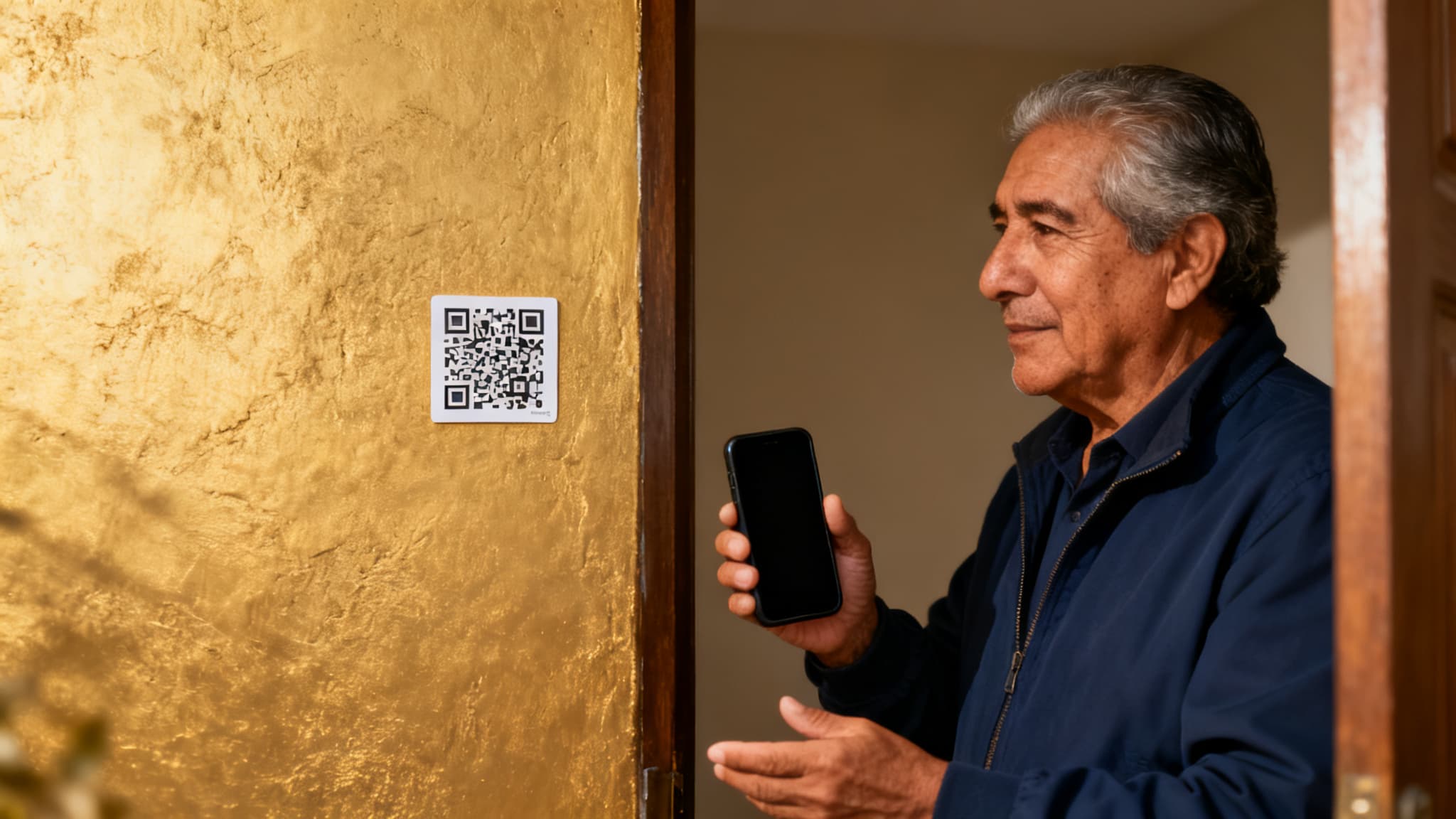
What is QR Code Pay-Per-Use Access for Canadian Amenities?
Property owners often face high costs for amenity monetization. QR Code Pay-Per-Use Access offers a self-service system where users scan, pay digitally, and activate amenities, bypassing complex installations or staff.
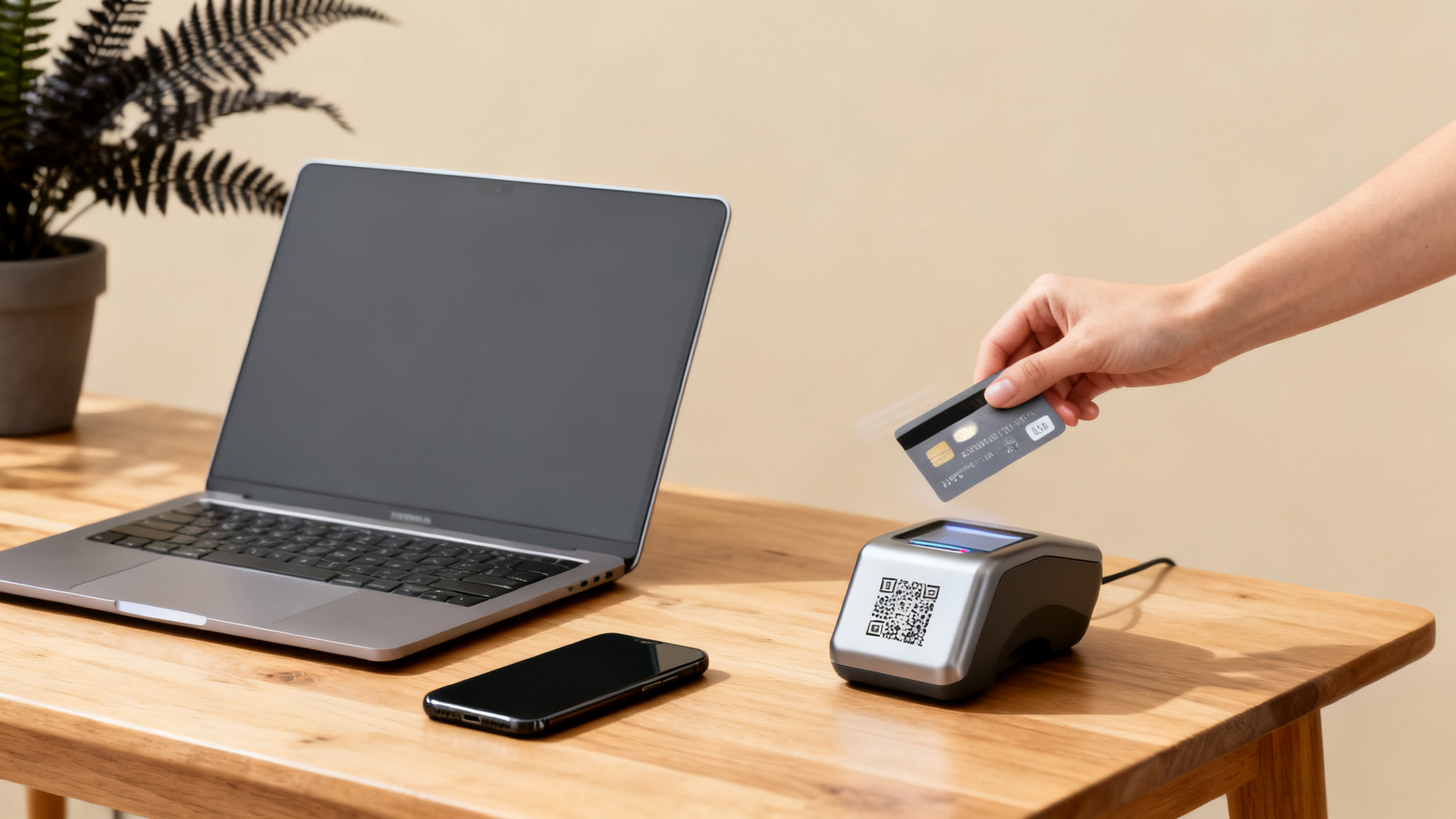
What is QR Code Pay-Per-Use Access and Why It Matters for Your Property
What is QR Code Pay-Per-Use Access and Why It Matters for Your Property
While many property owners eye amenity monetization, the hidden cost of traditional access control or staffing often makes it a non-starter. What is QR Code Pay-Per-Use Access? It’s a self-service system where users scan a QR code with their phone, pay digitally in their browser, and activate a specific amenity for a set duration, bypassing the need for complex installations or on-site staff. This approach directly tackles the high overhead costs typically associated with turning an idle sauna in a Toronto condo or a laundry machine in an Airbnb cottage into a revenue stream.
This system allows for granular, fair charging — perhaps $5 for 30 minutes in a hot tub or $2 per wash cycle — without manual tracking or expensive full access-control systems. It also directly addresses amenity underutilization; industry reports suggest up to 50% of amenity spaces, like a yoga studio in a downtown Vancouver building, sit vacant at peak times, representing significant lost revenue potential. By making access simple and instant, properties can capture demand that might otherwise be missed.
These statistics highlight a clear readiness for QR-based solutions in Canada. With 84% of Canadian consumers already using digital payments, the “scan and pay” model is familiar and convenient. This eliminates the friction of downloading a new app or fumbling with cash, creating a seamless experience for guests and residents in places like a small gym in Calgary or a shared workspace in Montreal. The global trend towards QR code payments — projected to exceed $3 trillion by 2025 — further underscores its growing
The Canadian Blueprint: How QR Code Pay-Per-Use Transforms Amenity Monetization
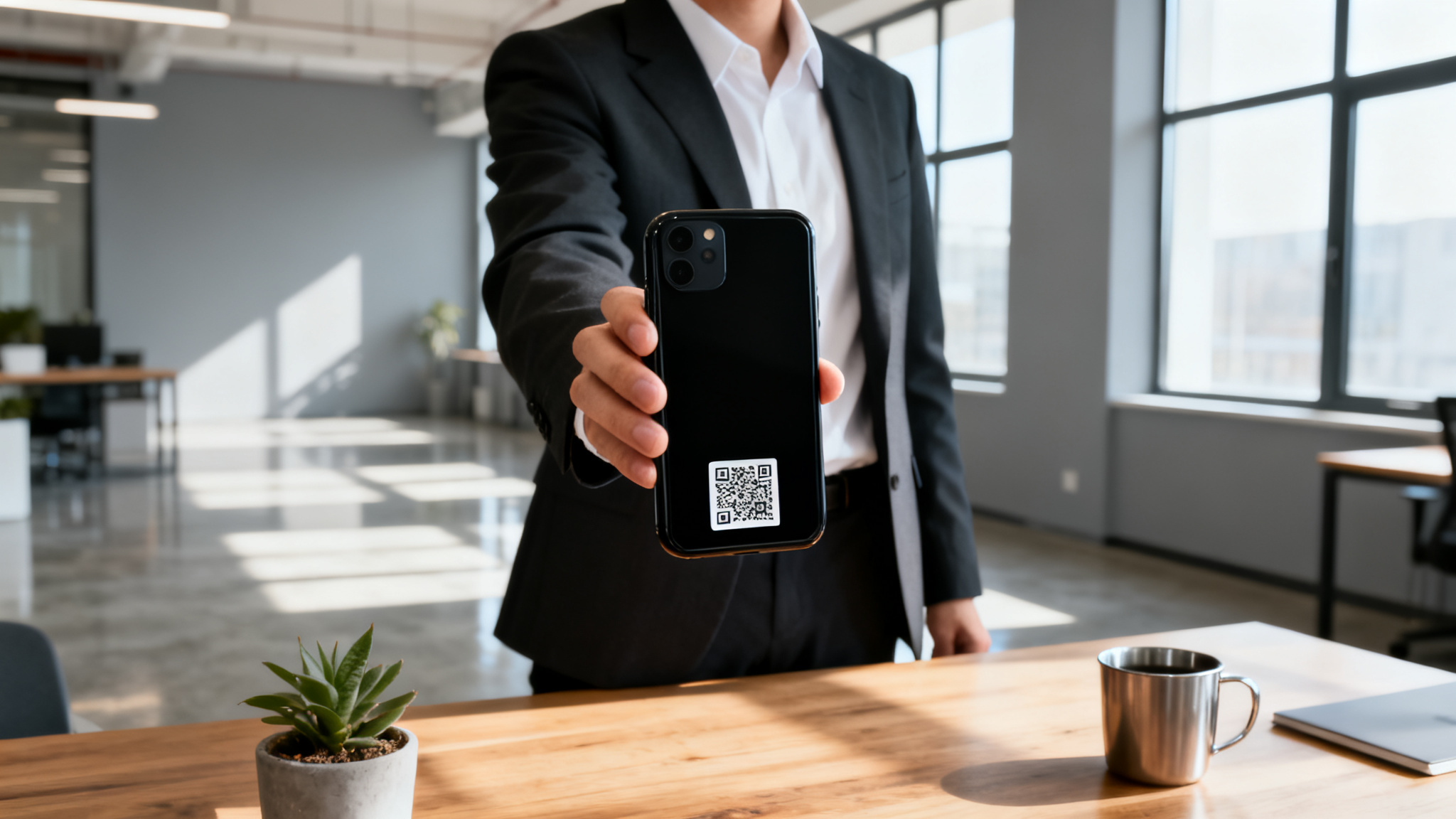
The Canadian Blueprint: How QR Code Pay-Per-Use Transforms Amenity Monetization
Property owners in Canada often overlook a significant revenue opportunity: their underused amenities. Instead of viewing a condo gym or a short-term rental's hot tub as a cost centre, QR code pay-per-use access offers a direct path to monetization without adding staff or expensive access control systems. This approach sidesteps the typical thousands-of-dollars installation cost for traditional systems, making it viable for everything from a single Airbnb cottage in Muskoka to a multi-unit residential building in Vancouver. Canadian consumers are ready for this shift. With 84% of Canadians regularly using digital payments (Payments Canada, 2023), the friction for guests to scan a QR code and pay in their browser is minimal. This high digital readiness means quick adoption for amenities like a shared laundry room, a private sauna, or even an EV charger at a rental property. Property managers report that amenity spaces often sit vacant up to 50% of peak times; QR pay-per-use turns that idle capacity into cash flow."We had a perfectly good pool table in our common room, but nobody wanted to manage a sign-up sheet or collect loonies. Now, a QR code handles it all." — condo board president, HalifaxThis model doesn't just reduce costs; it generates new revenue. For a short-term rental host in Canmore, offering a monetized hot tub can differentiate their listing and attract higher bookings, aligning with the projected growth of the Canadian short-term rental market. The flexibility to set time-based rates for a gym or session-based fees for a games room ensures fair compensation for use without any manual oversight. Understanding what is QR code pay-per-use access and how it functions as a self-service solution is the first
Implementing & Optimizing QR Code Access: A Step-by-Step Guide for Canadian Owners

Implementing what is QR code pay per use access for your property's underutilized amenities doesn't demand a technical degree. It's more about smart planning and choosing the right tools. The goal is to transform an idle asset, like a seldom-used meeting room or a small gym, into a reliable revenue stream without adding staff overhead.
Identify Monetizable Amenities
Start by looking at what's sitting idle. Is it a sauna in an Airbnb cottage, a condo amenity room, or even just a charging station in a small coworking space? For example, a small gym in a 50-unit condo in Halifax might only see 10% usage during off-peak hours. That's prime for an unstaffed gym amenity payment system.
Select a Canadian-Friendly Platform
Choose a platform built for the Canadian market. Look for transparent pricing and integration with local payment processors. QROpen, for instance, operates with a 3% platform fee and handles transactions in CAD, avoiding currency conversion headaches for owners and guests. This simplifies financial tracking and minimizes unexpected costs.
Simple Setup & Integration
The technical setup is often simpler than imagined. For a meeting room, this could mean placing a QR sticker and connecting a smart relay like a Shelly Plus 1 to control the room's power or a smart lock. A property manager in Vancouver, managing 15 short-term rental units, could set up a laundry room for pay-per-use in under an hour, without needing an electrician.
"I thought adding pay-per-use to our old games room would be a nightmare, but it was just a sticker and a quick power connection. Guests love the instant access." — condo board president, Calgary
Securing Your Investment: Addressing Security, Maintenance, and The Future of QR Access
The real challenge of monetizing amenities isn't just setting up the system, but ensuring it runs reliably and securely over time without becoming another operational headache. Property owners in places like Vancouver or Halifax often worry about liability and maintenance when introducing self-service access to a gym or a shared workshop.
QR Access: Long-Term Viability Checklist
Modern what is QR code pay per use access systems use timed access, unique session IDs, and audit trails. This prevents unauthorized use of amenities like a condo's party room in Mississauga, enhancing security in unstaffed areas.
Unlike physical key cards or complex access control panels, QR solutions need almost no physical upkeep. This reduces operational burdens for a small gym owner in Calgary, cutting long-term costs significantly.
Choose a platform with reliable customer service. If a guest can't access the laundry room in a downtown Toronto apartment, prompt support ensures continuous availability and user satisfaction. A platform like QROpen provides direct support channels.
Ensure your provider follows Canadian data privacy laws. Protecting user payment and access information is critical; review their privacy policy, as QROpen's outlines at qropen.ca/privacy.
These systems scale easily. A property manager with 20 Airbnb cottages in Muskoka can add new amenities or properties without needing significant new infrastructure, simply by deploying more QR codes and smart relays.
QR code payment transactions are projected to exceed $3 trillion globally by 2025 (Juniper Research, 2021). This widespread adoption means users are already familiar with scanning and paying, making it a stable, long-term solution for amenity access
QR code pay-per-use access allows guests or tenants to pay for temporary use of an amenity by scanning a QR code. For example, a guest at an Airbnb cottage in Muskoka scans a QR code on the sauna door, pays $15 for 60 minutes via their phone's browser, and a smart relay (like a Shelly Plus 1) activates the sauna. The system grants instant, time-limited access without requiring an app download or key exchange, converting idle amenities into a direct revenue source. Canadian property owners can monetize underutilized amenities like condo gym facilities in Vancouver or shared laundry rooms in a Halifax apartment building. This helps cover operational costs such as electricity, cleaning, or maintenance. It also reduces 'free-rider' issues, ensuring only paying users access premium features. Owners can generate new revenue streams from existing assets, improving overall property profitability and offering flexible access to desirable amenities. Yes, QR code access is secure when integrated with robust smart hardware. When a guest pays, the system generates a unique, time-limited access credential for a smart lock (e.g., Igloohome) or smart relay. This ensures access is granted only for the paid duration, preventing unauthorized or extended use. For example, a coworking space in Montreal can grant 90-minute meeting room access, which automatically expires, enhancing security over shared physical keys or static codes. Implementing QR code pay-per-use is relatively straightforward, especially with existing smart infrastructure. Owners typically install a compatible smart lock or relay on the amenity, then connect it to a platform like QROpen. The platform generates the unique QR codes, which are then printed and displayed. A property manager for an Ottawa apartment building could set up a guest suite or a specialized workshop for hourly rental within an afternoon, requiring minimal technical expertise. Properties should consider monetizing amenities to transform them from cost centres into revenue generators. This approach helps offset maintenance, utility, and cleaning expenses for features like a heated pool in an Okanagan resort or a private theatre room in a downtown Toronto condo. It also offers guests optional premium experiences, enhancing perceived value. By charging a modest fee, owners can improve their bottom line while providing flexible access to desirable facilities.Frequently Asked Questions
What is QR code pay-per-use access and how does it work?
How can QR code pay-per-use benefit Canadian property owners?
Is QR code access secure for shared amenities?
Can I easily implement QR code pay-per-use for my property's facilities?
Why should properties consider monetizing amenities with QR codes?
Frequently asked questions
- What is QR code pay-per-use access and how does it work?
- QR code pay-per-use access allows guests or tenants to pay for temporary use of an amenity by scanning a QR code. For example, a guest at an Airbnb cottage in Muskoka scans a QR code on the sauna door, pays $15 for 60 minutes via their phone's browser, and a smart relay (like a Shelly Plus 1) activates the sauna. The system grants instant, time-limited access without requiring an app download or key exchange, converting idle amenities into a direct revenue source.
- How can QR code pay-per-use benefit Canadian property owners?
- Canadian property owners can monetize underutilized amenities like condo gym facilities in Vancouver or shared laundry rooms in a Halifax apartment building. This helps cover operational costs such as electricity, cleaning, or maintenance. It also reduces 'free-rider' issues, ensuring only paying users access premium features. Owners can generate new revenue streams from existing assets, improving overall property profitability and offering flexible access to desirable amenities.
- Is QR code access secure for shared amenities?
- Yes, QR code access is secure when integrated with robust smart hardware. When a guest pays, the system generates a unique, time-limited access credential for a smart lock (e.g., Igloohome) or smart relay. This ensures access is granted only for the paid duration, preventing unauthorized or extended use. For example, a coworking space in Montreal can grant 90-minute meeting room access, which automatically expires, enhancing security over shared physical keys or static codes.
- Can I easily implement QR code pay-per-use for my property's facilities?
- Implementing QR code pay-per-use is relatively straightforward, especially with existing smart infrastructure. Owners typically install a compatible smart lock or relay on the amenity, then connect it to a platform like QROpen. The platform generates the unique QR codes, which are then printed and displayed. A property manager for an Ottawa apartment building could set up a guest suite or a specialized workshop for hourly rental within an afternoon, requiring minimal technical expertise.
- Why should properties consider monetizing amenities with QR codes?
- Properties should consider monetizing amenities to transform them from cost centres into revenue generators. This approach helps offset maintenance, utility, and cleaning expenses for features like a heated pool in an Okanagan resort or a private theatre room in a downtown Toronto condo. It also offers guests optional premium experiences, enhancing perceived value. By charging a modest fee, owners can improve their bottom line while providing flexible access to desirable facilities.
Keep reading
QR Code Access for Coworking & Amenities: Profit in Canada
Traditional access control systems are surprisingly costly, making amenity monetization uneconomical for Canadian property managers. The best QR code access for coworking spaces offers ultra-low hardware and flexible software to enable profitable small-ticket monetization.
QR Code Pay-Per-Use: Independent Gym Amenity Access Control
Many gym owners struggle with monetizing premium amenities, believing it requires staff or complex systems. However, most consumers now prefer self-service for payments and access, presenting a new opportunity.
Unlock Revenue: QR Code Payment for Gym Shower Access in Under an Hour
Many Canadian gym owners overlook a surprising source of revenue: their showers. A simple QR code payment for gym shower access system can unlock this hidden income stream in under an hour, avoiding complex integrations and high costs.