
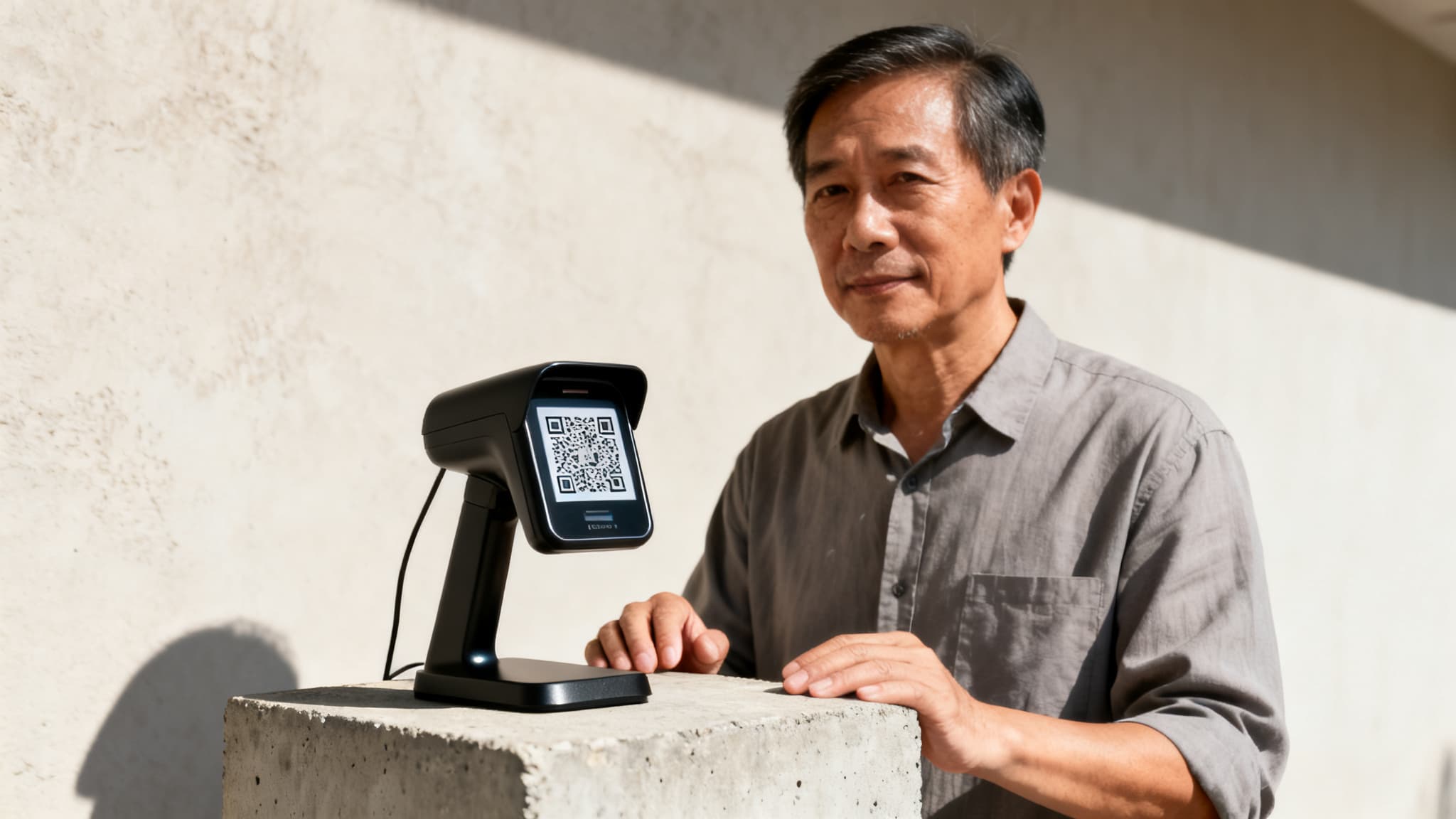
No-Fuss, High-Profit: How to Implement QR Access for Amenities
Monetizing shared amenities doesn't require expensive systems. Property managers and Airbnb hosts can implement QR access for amenities using smart relays and a browser-based QR payment platform, allowing guests to pay and activate services instantly.
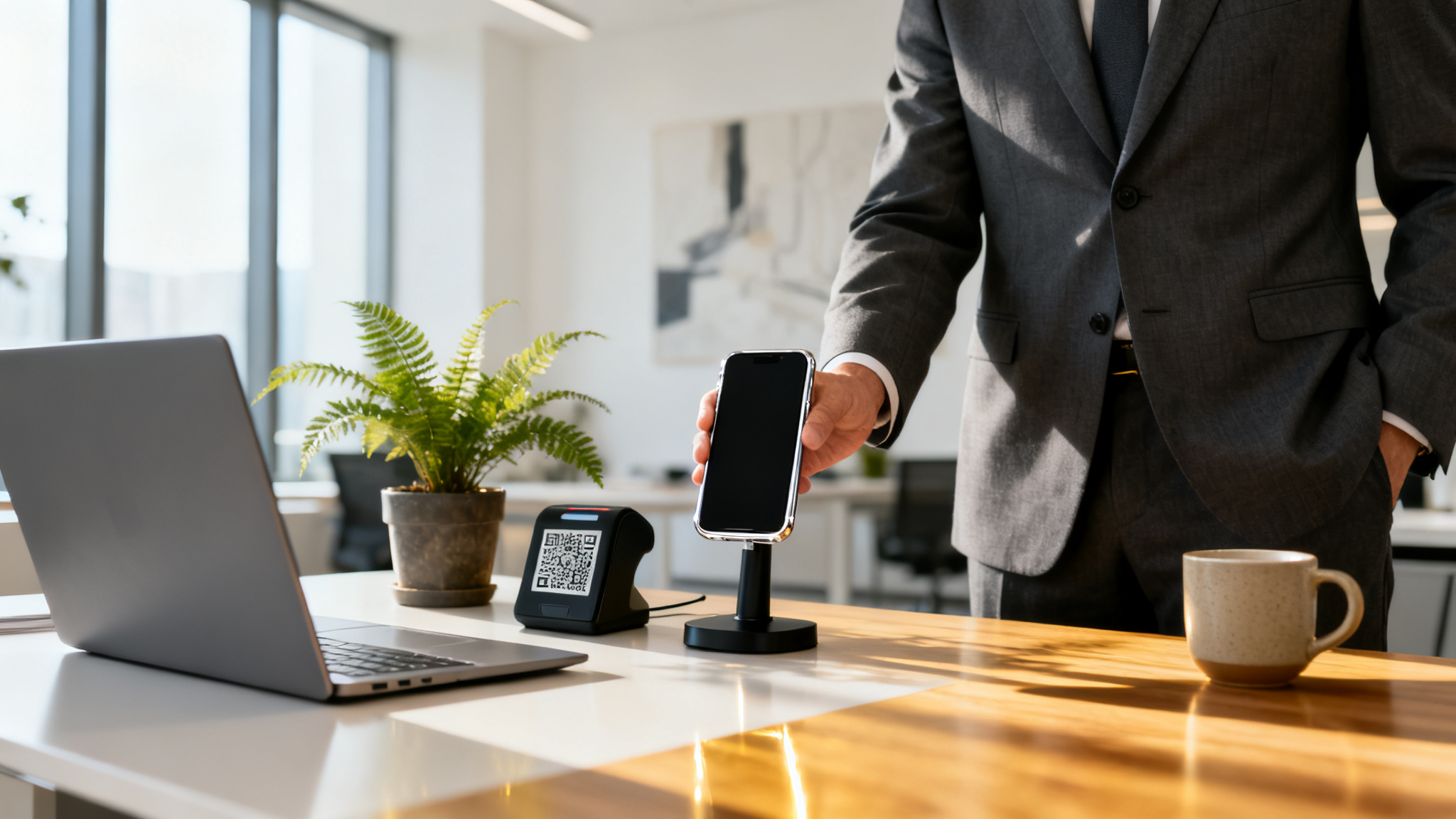
The No-Fuss, High-Profit Guide to QR Access for Canadian Amenities
The real friction in monetizing shared amenities like saunas or laundry rooms isn't the technology; it's the widespread assumption that advanced access control requires an expensive, integrated system. Instead, Canadian property managers and Airbnb hosts can implement QR access for amenities by simply pairing a smart relay switch, like a Shelly Plus 1, with a browser-based QR payment platform. This setup bypasses complex integrations, allowing guests to scan a QR code with their smartphone, pay a nominal fee in their browser, and instantly activate the amenity for a set duration—all without downloading an app or needing staff intervention.
Many Canadian properties, from short-term rental cottages in Prince Edward Island to urban condo buildings in Vancouver, leave significant revenue on the table because amenities like electric vehicle chargers or small gyms are either free or rely on clunky, manual booking and payment systems. These manual methods are prone to errors and create administrative overhead. Traditional access control, costing upwards of $2,000 to $10,000 per door, is overkill for a pay-per-use sauna, making QR solutions a far more cost-effective alternative for monetizing underutilized spaces.
The ubiquity of smartphones makes QR code access a natural fit for modern amenity management. By 2025, an estimated 1.5 billion people worldwide will use their phones to scan QR codes, according to Statista. This widespread familiarity eliminates the learning curve for guests and residents. Operators can transform a previously idle asset into a profit centre, providing a modern, user-friendly experience that aligns with Canada's high contactless payment adoption rates, where Payments Canada reports 90% of Canadians regularly use tap-to-pay methods.
Why QR Access is the Future of Amenity Management for Canadian Properties
Why QR Access Simplifies Amenity Management for Canadian Properties
The real surprise about QR code access isn't its technical sophistication, but its foundational simplicity: it strips away the layers of cost and complexity that traditional key card systems demand. For a small gym in Calgary or a multi-unit condo building in the GTA, deploying fobs for a sauna or a bike storage room often means thousands in upfront hardware and ongoing programming headaches. QR bypasses this entirely, using hardware that costs a fraction and relies on a technology nearly every Canadian already uses daily. Canadian property operators face a clear problem: underutilized amenities that could generate revenue but lack an easy, unstaffed way to manage access and collect payment. A 2023 Payments Canada report shows 90% of Canadians regularly use tap-to-pay methods, meaning a QR-based system feels natural, not alien. This high comfort level with contactless transactions is a huge advantage for how to implement QR access for amenities. It means quicker adoption and fewer support calls from residents trying to figure out a new system."We used to have a sign-up sheet and trust system for the party room. It was a mess. Now, people scan, pay, and get in. No more chasing down keys or dealing with double bookings." — condo board president, Vancouver IslandBeyond just access, QR solutions create a clearer audit trail. A property manager can see exactly when a resident used the common room, which helps resolve disputes and ensures fair usage across all units. This blend of cost-efficiency, user-
Getting Started: What You Need Before Implementing QR Access
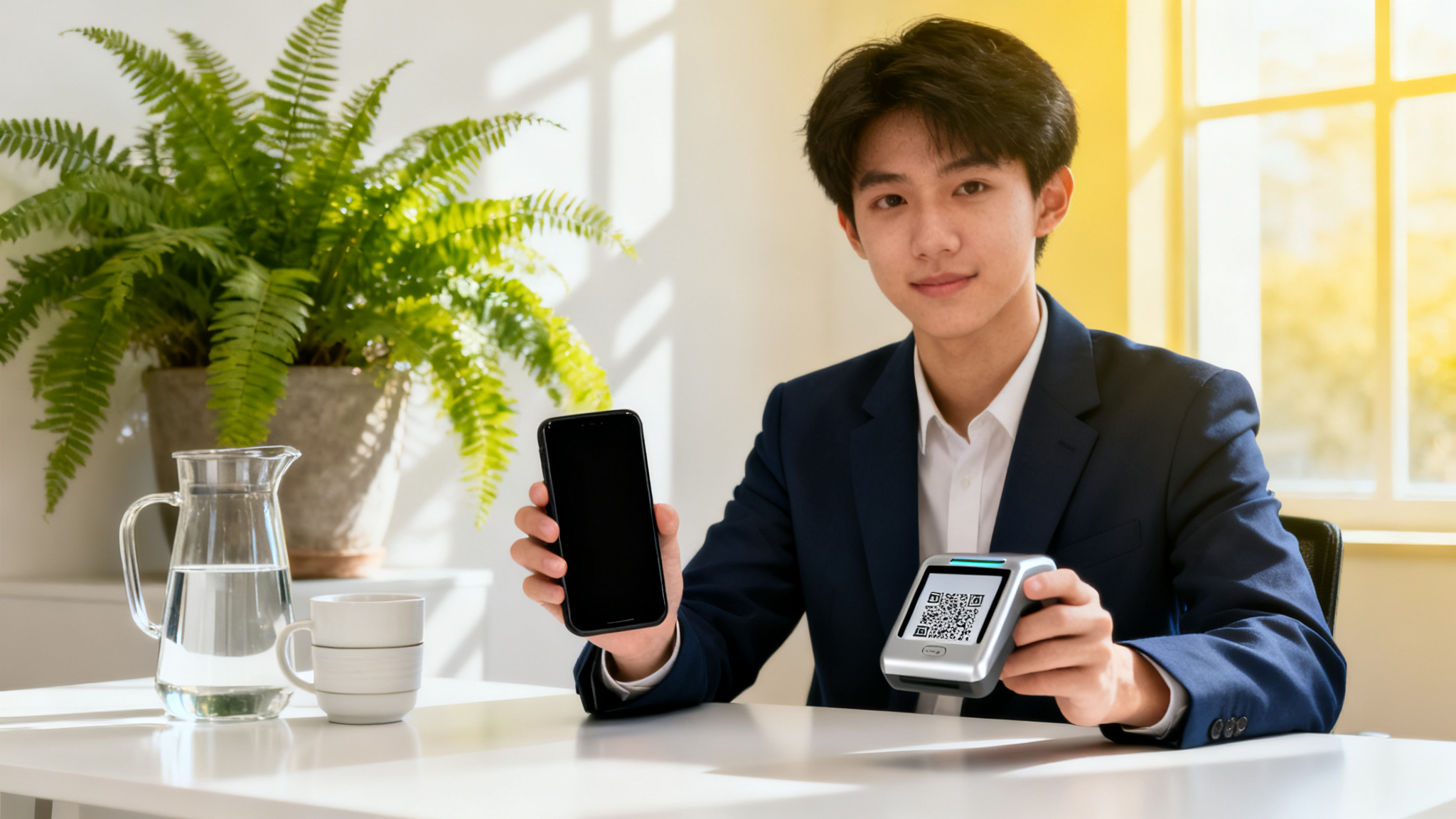
Getting Ready for QR Access Implementation
Many property operators overlook the foundational steps needed before integrating new technology, leading to frustrating delays. The most effective QR access implementations begin with a clear audit of your existing setup and a precise vision for how guests will interact with monetized amenities.Quick Reference: Pre-Implementation Checklist
List every underused amenity you want to control or charge for, like a condo building's hot tub, an Airbnb cottage's sauna, or an EV charger in a small gym parking lot. Think beyond just booking; consider items that can be activated on demand.
Confirm strong Wi-Fi or cellular data at each amenity. Devices like a Shelly Plus 1 smart relay need consistent connectivity to receive unlock commands. Without it, your QR system can't communicate.
Ensure a power outlet is available near each amenity. Smart controllers, even low-power ones, require a constant power supply to operate and connect to your network.
Decide how guests will pay. Look for systems that integrate with popular Canadian payment methods or offer built-in solutions. Payments Canada reported 90% of Canadians use tap-to-pay regularly, so a seamless digital payment experience is key.
Define your rules for amenity use, booking windows (e.g., 60-minute sauna sessions), and cancellation policies upfront. This prevents confusion and sets guest expectations.
Check if your amenities can be controlled by a smart device. Many modern laundry machines, EV chargers, or even simple light switches can be retro
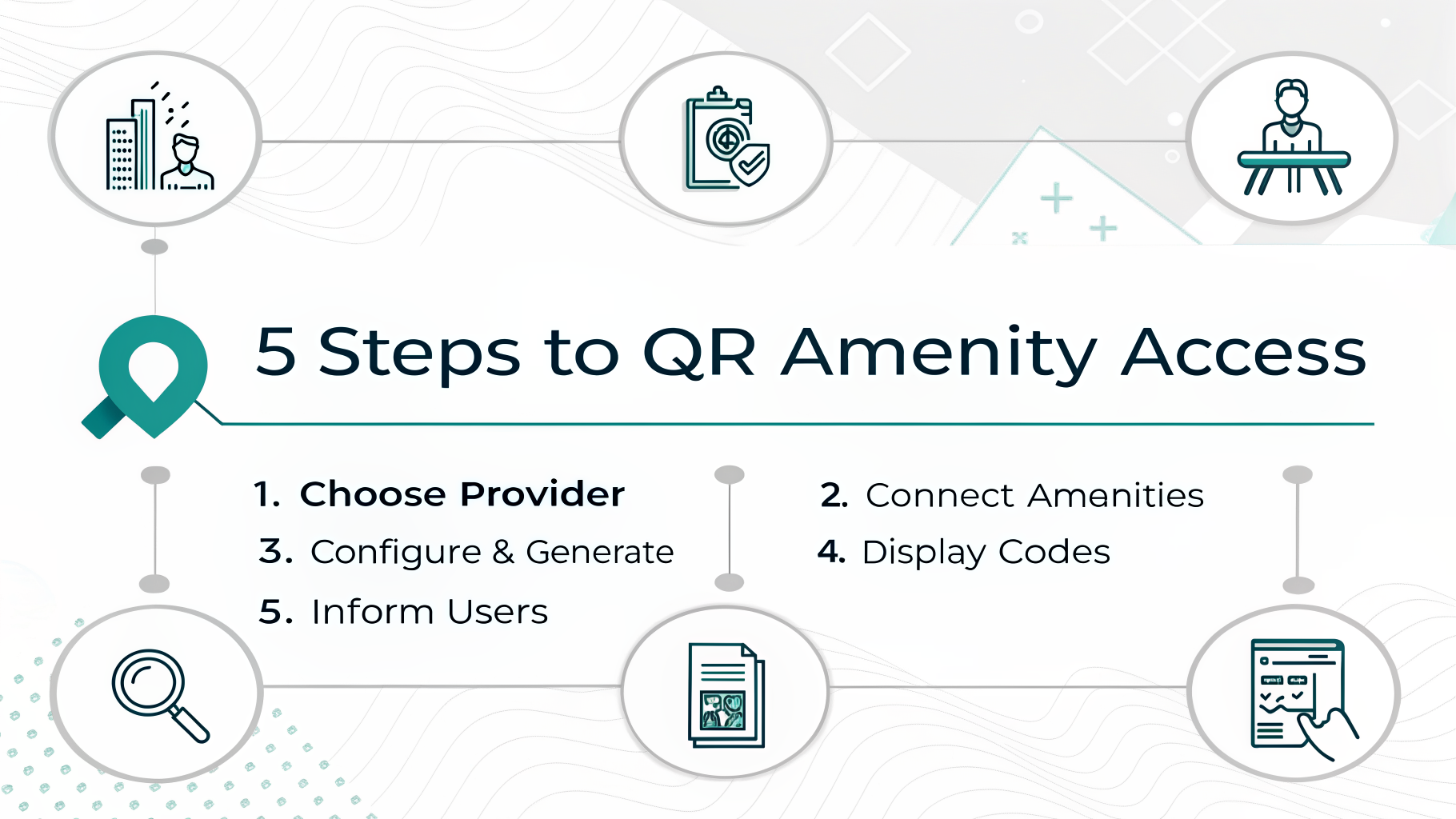
Transforming underused amenities into profit centres doesn't require complex tech skills. Many Canadian property operators, from Airbnb cottage owners in Muskoka to condo boards in Vancouver, find the biggest hurdle is simply starting. The good news: implementing QR access for amenities is a straightforward process, often completed in just a few hours. This step-by-step guide walks you through the practical setup, turning that idle gym or laundry room into a revenue stream. First, choose a QR access provider that prioritizes ease of use and requires no app downloads for guests—a key factor given 90% of Canadians already use contactless payment methods. For example, systems like QROpen integrate directly with your existing amenity's power, like a washing machine or sauna heater. You'll install a small smart controller, such as a Shelly Plus 1, which connects the amenity to the internet. Then, you configure pricing and usage rules within the provider's online dashboard. Generate unique QR codes for each amenity, print them, and display them prominently. Finally, a brief email or sign explaining the new pay-per-use system ensures your residents or guests understand how to scan, pay, and access. This human element is crucial for smooth adoption. Following these steps can quickly convert an underutilized space into a consistent revenue source, as property managers report up to a 30% increase in amenity utilization and revenue potential with efficient access systems. This approach
The biggest missed opportunity in property management isn't complicated; it's the free gym or unused meeting room. Shifting these from cost centres to revenue generators requires a simple, unstaffed payment solution. QR access offers this by enabling pay-per-use models for amenities like EV chargers, laundromats, or even a condo's guest suite. You can set hourly rates for a co-working space, a session fee for the pool table, or a daily charge for a guest parking spot. This flexibility means you only pay for what you use, encouraging wider adoption and eliminating the hassle of manual bookings and cash. Dynamic pricing further refines this, allowing rates to adjust based on demand. Charge more for the common room on a Saturday night or offer a discount on the squash court during off-peak weekday mornings. This maximizes revenue when demand is high and incentivizes usage during quieter periods. For example, a small gym in Calgary might offer a 20% discount on treadmill access between 10 AM and 2 PM, boosting utilization during traditionally slow hours. Canadians are already comfortable with contactless payments, with 90% regularly using tap-to-pay methods, according to Payments Canada (2023). This familiarity makes QR-enabled payments a natural fit. Guests simply scan a QR code, pay in their smartphone browser using Apple Pay, Google Pay, or credit card, and the amenity unlocks. Solutions like QROpen charge a transparent 3% platform fee on transactions
Many property operators worry that moving to QR access will create more headaches than it solves. The truth is, most friction points come from poor planning, not the technology itself. Addressing common concerns about security, user adoption, and support proactively ensures a smooth transition when you implement QR access for amenities. Link QR scans directly to verified payments or user accounts. This prevents unauthorized access, ensuring only paying or authorized guests can activate an amenity like a sauna or EV charger. Systems like QROpen tie each scan to a browser-based payment, creating a clear transaction record. Introduce the new system with clear signage and simple instructions. Highlight benefits: no app to download, fair access for everyone, and convenience. A 2023 Statista projection noted 1.5 billion smartphone QR code scanner users by 2025, indicating high user familiarity. Choose a provider with a system designed for minimal upkeep and reliable customer support. Look for solutions that offer clear FAQs and direct contact points for troubleshooting, reducing your operational burden. Ensure your chosen system adheres to Canadian privacy laws, like PIPEDA. Verify how user data is collected, stored, and processed, especially for payments. QROpen, for example, outlines its privacy practices transparently on its privacy page. Utilize booking and scheduling features within your QR access system. This prevents a few individuals from monopolizing popular amenities, ensuring equitable access for all residents in a condo building or guests
The biggest missed opportunity in property management isn't a vacant unit, but an idle amenity. Most Canadian properties have a sauna, a hot tub, or a laundry room that sits underused, costing money without generating revenue. Implementing QR access transforms these spaces from liabilities into profit centres, often without significant capital outlay. Consider a condo building in Burnaby, BC, with a rarely used guest suite. By adding a QR code system for booking and payment, the property manager turned it into a flexible, pay-per-use offering. This approach can boost amenity utilization by up to 30%, directly impacting the bottom line. Traditional access control, costing anywhere from $2,000 to $10,000+ per door, is often overkill. QR solutions, like a simple smart relay and a payment link, avoid these upfront expenses entirely. Modern, well-managed amenities are a key differentiator. A 2022 NMHC/Kingsley Associates study found 70% of renters consider amenities ‘very important’ when choosing a place to live. QR access enhances this appeal by offering convenience and a modern, contactless experience, aligning with the 90% contactless payment adoption rate in Canada (Payments Canada, 2023). This operational efficiency, from reducing staff time on manual bookings to automating payments, streamlines how to implement QR access for amenities and prepares your property for future innovations. Implementing QR access involves two main components: hardware and software. For a condo gym, you might install a smart lock like an Igloohome on the door or wire a smart relay (e.g., Shelly Plus 1) to an existing electric strike. The software platform then generates unique, time-limited QR codes for booked slots, which guests scan at a reader or directly on the lock. This setup allows controlled entry without physical keys or staff presence. QR code access streamlines amenity management, eliminating physical key handovers or staff supervision. For an Airbnb cottage with a hot tub, guests receive a time-limited code for their booking, reducing lost keys and unauthorized use. This improves security, provides usage data, and enhances the guest experience with self-service convenience. Property managers in Toronto condos report saving several hours weekly on access coordination. Yes, QR code access is highly secure when implemented correctly. Each code is unique, time-limited, and often tied to a specific user or booking, unlike static key fobs. For a coworking space meeting room, a QR code grants entry only for the booked hour, expiring immediately afterwards. This prevents unauthorized access and provides an audit trail of who entered and when, enhancing accountability and reducing misuse compared to shared physical keys. Absolutely. QR code systems enable direct monetization by charging for amenity access. A small gym in Calgary could charge members $5 per hour for treadmill use, with the system automatically generating codes upon payment. For a condo building, residents might pay a monthly fee for premium access to a golf simulator. This generates new revenue streams, potentially offsetting amenity maintenance costs or even creating profit, with some setups seeing payback within 6-12 months. Implementing QR access for residential amenities enhances convenience and operational efficiency. Residents in a new apartment building in Vancouver expect modern, self-serve options for booking the party room or guest suite. It reduces administrative burden for property staff by automating access, eliminates lost key fobs, and provides valuable data on amenity usage. This improves resident satisfaction, optimizes resource allocation, and can even be a selling point for prospective tenants. Traditional access control systems are surprisingly costly, making amenity monetization uneconomical for Canadian property managers. The best QR code access for coworking spaces offers ultra-low hardware and flexible software to enable profitable small-ticket monetization. Property owners often face high costs for amenity monetization. QR Code Pay-Per-Use Access offers a self-service system where users scan, pay digitally, and activate amenities, bypassing complex installations or staff. Many gym owners struggle with monetizing premium amenities, believing it requires staff or complex systems. However, most consumers now prefer self-service for payments and access, presenting a new opportunity.Step-by-Step: How to Implement QR Code Access for Your Amenities
How to Implement QR Access for Your Amenities
Choosing the Right QR Access System for Canadian Operators
Choosing the Right QR Access System for Canadian Operators
Many property operators assume implementing QR access for amenities means grappling with complex integrations and high costs, yet the real challenge is filtering out systems that *require* an app for users or demand significant upfront investment. The most effective solutions for Canadian properties prioritize simplicity and direct monetization, often costing a fraction of traditional access control.
Feature/Aspect
App-Required Systems
Browser-Based QR (e.g., QROpen)
User Experience
Guests download an app, create an account, then pay/access.
Guests scan QR, pay in browser, device unlocks directly. No app needed.
Cost Structure
Often $2,000-$10,000+ per door for hardware and software licences; integration fees.
Low-cost hardware (e.g., a Shelly Plus 1 for under $30); percentage-based transaction fee (e.g., QROpen's 3% platform fee).
Payment Processing
Integrated payment gateways, sometimes with extra fees.
Local Canadian payment processing (e.g., Stripe) adhering to Canadian privacy laws.
Scalability
Complex to expand; requires professional installation for each new access point.
Easy DIY installation for new amenities, quick setup for additional locations.
Monetizing Your Amenities: Pricing, Payments, and Profit with QR

Monetizing Your Amenities: Pricing, Payments, and Profit with QR
Addressing Common Concerns: Security, User Adoption, and Support
Addressing Common QR Access Concerns
Maximizing ROI: Turning Underused Amenities into Profit Centers
Maximizing ROI: Turning Underused Amenities into Profit Centres
"We saw our revenue from the shared workshop space jump 40% in the first quarter after switching to QR-based booking. No more chasing payments or managing keys." — Property Manager, Montreal
Frequently Asked Questions
How to implement QR code access for shared amenities?
What are the benefits of QR code access for property amenities?
Is QR code access secure for building amenities?
Can I monetize amenities using QR code systems?
Why implement QR code access for residential amenities?
Frequently asked questions
Keep reading
QR Code Access for Coworking & Amenities: Profit in Canada
What is QR Code Pay-Per-Use Access for Canadian Amenities?
QR Code Pay-Per-Use: Independent Gym Amenity Access Control