
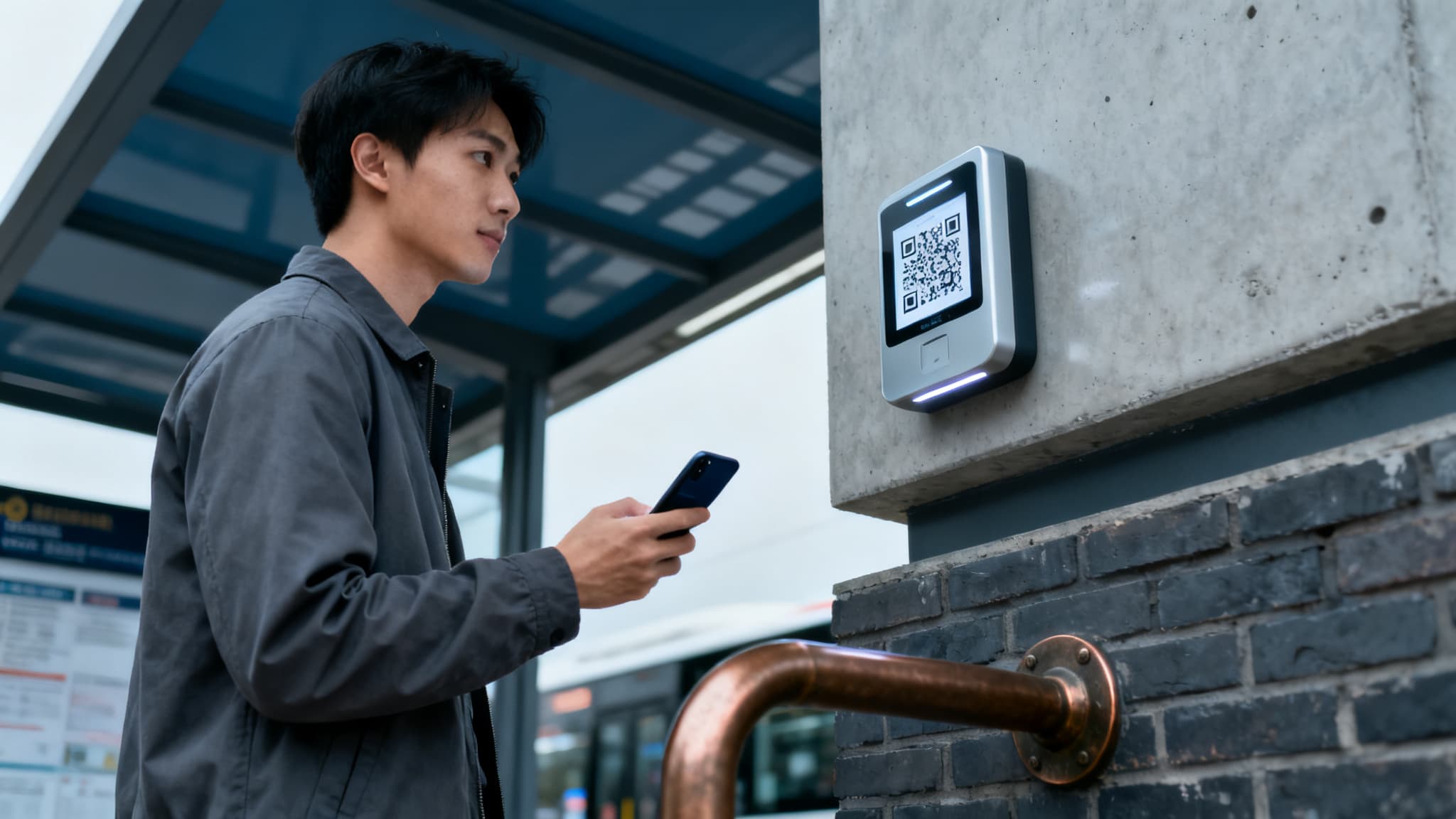
QR Access for Laundry: Passive Income for Canadian Properties
Many Canadian property owners see laundry rooms as cost centres, but they're often untapped revenue streams. A modern pay per use laundry room QR access system can transform these spaces into self-sustaining profit centres.
Why Your Canadian Property Needs a Modern Amenity Solution
Why Your Canadian Property Needs a Modern Amenity Solution
While many Canadian property owners view their laundry rooms as unavoidable cost centres, the surprising truth is that these spaces, and other amenities like saunas or small gyms, are often untapped revenue streams. Traditional coin-operated machines or manual booking sheets force property managers in places like a mid-sized apartment building in Calgary to choose between administrative burden and lost income. A modern pay per use laundry room QR access system changes this, converting an idle asset into a self-sustaining profit centre without requiring costly hardware upgrades or constant supervision.
Roughly 70% of Canadians prefer contactless payments, a trend Moneris reported in 2023, yet many shared laundry facilities still rely on loonies and toonies. This disconnect creates a poor user experience and leaves revenue on the table. For a typical 20-unit condo building in Vancouver, relying on coin-op for a single washer and dryer operating just four times a day at $4 per use means missing out on roughly $480 in monthly contactless revenue, plus the time spent collecting and counting cash.
Amenities are also a key differentiator; about 60% of renters consider them ‘very important’ when choosing a property, according to RentCafe data. Efficiently managing and monetizing these spaces — from a shared hot tub in an Airbnb cottage in Muskoka to a meeting room in a downtown Toronto coworking space — isn't just about income. It's about attracting and retaining tenants by offering a convenient, modern experience that eliminates the need for exact change, key fobs, or manual sign-ups, turning a potential headache into a competitive advantage.
Evaluating Amenity Monetization: What Matters Most
Choosing the right system to monetize property amenities isn't about finding the flashiest tech; it's about solving real operational problems with minimal fuss. Many Canadian property owners overlook how much revenue they're losing from under-utilized spaces because the barriers to collecting small, frequent payments feel too high.
Critical Criteria for Amenity Monetization
Avoid complex installs. An effective system requires little to no new hardware or technical expertise. Think stick-on QR codes, not electricians and server racks. For instance, connecting a laundry machine should be as simple as adding a QROpen device to its power line, not a full system overhaul.
Guests and residents expect modern convenience. Payments and access must be contactless and intuitive. Moneris (2023) reports 70% of Canadians prefer contactless payments, so requiring exact change for a coin-op machine is a non-starter.
Look for low upfront costs and transparent pricing. Traditional access control can run into thousands, whereas a QR-based solution might only involve a small per-transaction fee and device cost.
The system needs to collect payments easily and provide clear usage data. Knowing a shared laundry machine is used 4 times a day at $4 per use helps you project the $480 monthly revenue, ensuring accountability and maximizing your return.
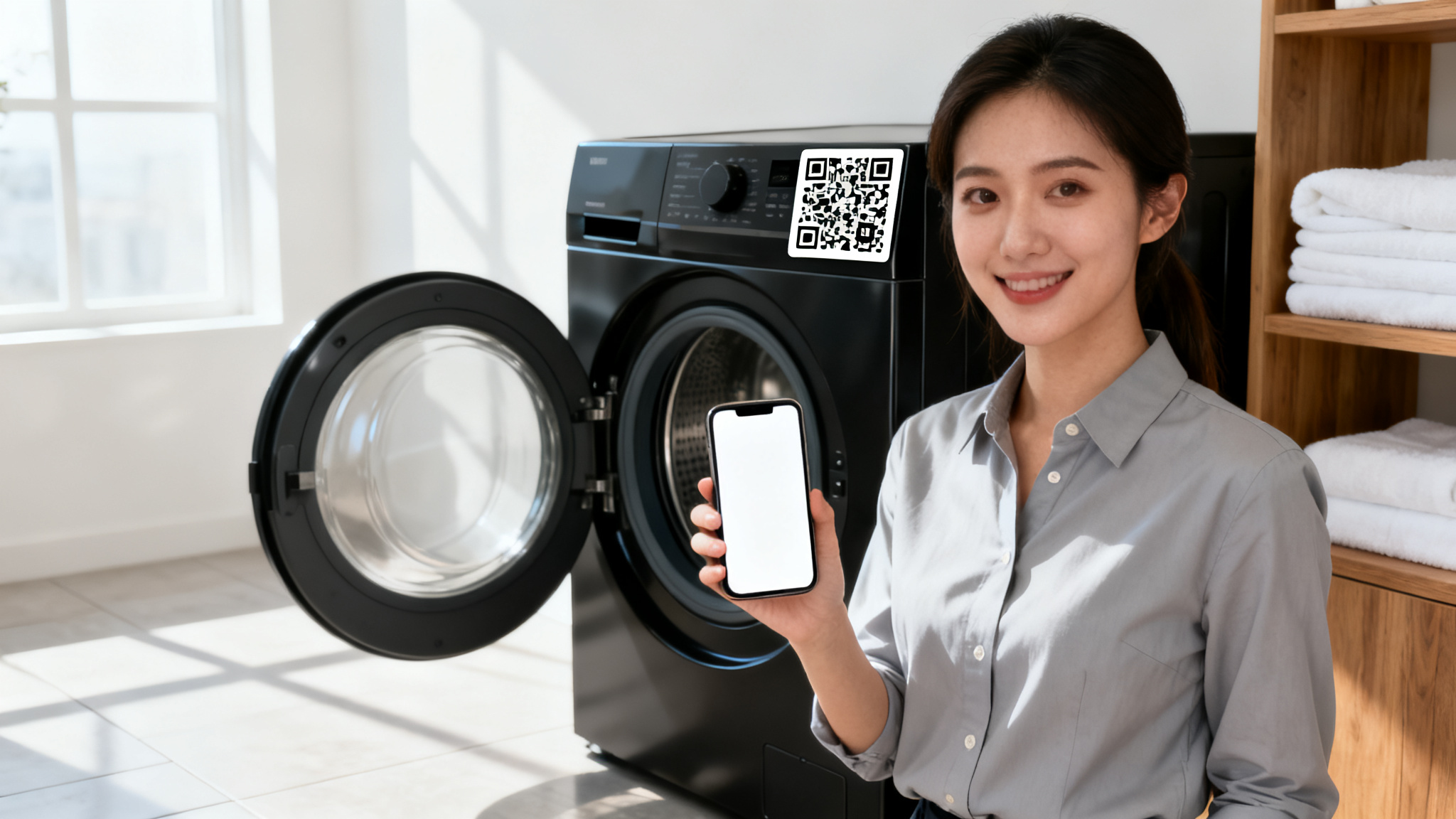
Many Canadian property owners still rely on outdated laundry room access systems that create more headaches than revenue. Coin-operated machines and key fob setups, while familiar, actively prevent efficient amenity monetization for modern properties, turning a potential income stream into a constant drain of time and resources. Many Canadian property managers still rely on manual booking sheets or staff to manage laundry room access and payment. This approach, while seemingly straightforward for a small Airbnb cottage, often creates more problems than it solves, limiting both efficiency and potential revenue as a property grows. The administrative overhead of manual systems quickly outweighs any perceived simplicity. For properties looking to offer pay per use laundry room QR access, these traditional methods simply don't scale, hindering both convenience and profit. The real innovation in amenity monetization isn't just charging for access; it's doing so without adding physical infrastructure. Modern QR code pay-per-use access systems bypass the typical hardware investment, making them a practical choice for Canadian property owners looking to activate underused spaces like laundry rooms. Many Canadian property owners overlook the hidden costs and inefficiencies of traditional amenity access methods, often accepting them as "just the way it is." However, comparing these older systems directly against modern solutions, like QROpen for pay per use laundry room QR access, reveals significant differences in both operational burden and revenue potential. The biggest oversight in modern property management isn't a lack of amenities, but the missed opportunity to monetize the ones already in place. Your laundry room, often a cost centre with coin-op headaches or unmonitored key fobs, can become a revenue stream through smart pay-per-use laundry room QR access. This shift moves beyond collecting loonies and toonies, offering a system that's both modern and low-maintenance. Guests or residents simply scan a QR code prominently displayed on a washing machine or dryer. They complete payment directly in their phone's browser, and the machine activates. This eliminates the need for physical cash or dedicated card readers, aligning with the 70% of Canadians who prefer contactless payments, according to Moneris 2023 data. For a property manager in a 40-unit condo in Calgary, this means no more weekly coin collection or jammed machines. This system also drastically cuts administrative overhead. Property managers typically spend about 15% of their time on administrative tasks, including payment collection, as indicated by AppFolio 2022 data. Automating laundry payments frees up significant time. You gain real-time insights into usage patterns, peak times, and revenue generated, which is impossible with traditional systems. Moreover, the entire setup avoids the high installation and ongoing maintenance costs associated with coin mechanisms or proprietary card-reader hardware. Solutions like QROpen require minimal to no upfront hardware, making it a cost-effective upgrade for any property looking to monetize existing facilities. Setting up a pay-per-use laundry room QR access system is far simpler than installing traditional coin-ops or key card readers. You don't need specialized IT support or complex hardware modifications; the process focuses on integrating software with your existing machines. Select a Canadian-friendly QR access platform. Services like QROpen integrate directly with your existing laundry machines using simple smart relays, without requiring costly machine upgrades. This means your current washers and dryers can become revenue generators within minutes. Set a competitive price for each wash or dry cycle. Consider local market rates; in Toronto, a typical wash might be $3.00-$4.00. The platform then generates unique QR codes for each machine, acting as your automated access and payment gateway. Affix the provided durable QR code stickers prominently on each laundry machine. They need to be easily visible and scannable. For example, a senior kindergarten teacher in Halifax running an Airbnb cottage could place these right on the front panel of their basement washer and dryer.Traditional Access Control: Coin-Op & Key Fobs
Why They Persist (Briefly)
Significant Drawbacks
"I'm tired of fishing
Manual & Staff-Managed Booking Systems
Perceived Simplicity
Hidden Costs & Inefficiencies
Introducing QR Code Pay-Per-Use Access Systems
Advantages of QR Access
Considerations for Implementation
Comparison: Amenity Access Methods for Canadian Properties
Feature/Aspect
Traditional (Coin-Op/Fob)
Manual (Sign-Up Sheet)
QR Code (e.g., QROpen)
Upfront Cost
High (thousands for hardware, installation)
Very Low (paper, pens)
Minimal to None (QR sticker, basic smart relay like Shelly Plus 1)
Ongoing Maintenance
High (repairs, cash collection, programming)
Moderate (staff time for tracking, reminders)
Low (software management, minimal hardware checks)
User Convenience
Low (exact change, specific fobs)
Low (staff interaction, inconvenient sign-ups)
High (scan, pay in browser, use immediately)
Payment Method
Cash, proprietary cards
Cash, e-transfer, staff collection
Contactless digital payments (credit card, Apple Pay, Google Pay)
Usage Tracking
Limited, often manual reconciliation
Basic, prone to human error
Detailed, real-time analytics (who, when, duration)
The Verdict: Why QR Code Pay-Per-Use Laundry Room Access is Your Best Bet
The Verdict: Why QR Code Pay-Per-Use Laundry Room Access is Your Best Bet
Many Canadian property owners overlook a surprising truth about amenity monetization: the biggest barrier isn't guest willingness to pay, but the administrative friction of collecting small, frequent payments. While the idea of generating revenue from amenities like laundry rooms is appealing, traditional methods like coin-op machines or manual sign-up sheets often create more headaches than profit. A modern pay per use laundry room QR access system bypasses these issues entirely, offering a direct, low-overhead path to consistent revenue.
This approach aligns with current consumer behaviour; Moneris reported in 2023 that 70% of Canadians prefer contactless payments. For a short-term rental host in Canmore, or a condo board in downtown Halifax, adopting QR-based access means eliminating the need for staff to collect cash or manage booking schedules. Instead of a cost centre, a single laundry machine used 3-4 times daily at $3-$5 per cycle could generate $300-$600+ in monthly revenue. This transforms an under-utilized asset into a predictable income stream without significant upfront hardware costs or complex installations.
"Moving to QR access meant we stopped chasing quarters and started seeing real money from our amenity room. It's less work for us and a better experience for our residents." — condominium board president, Vancouver
How QR Code Access Transforms Laundry Room Management (Beyond Coin-Op)
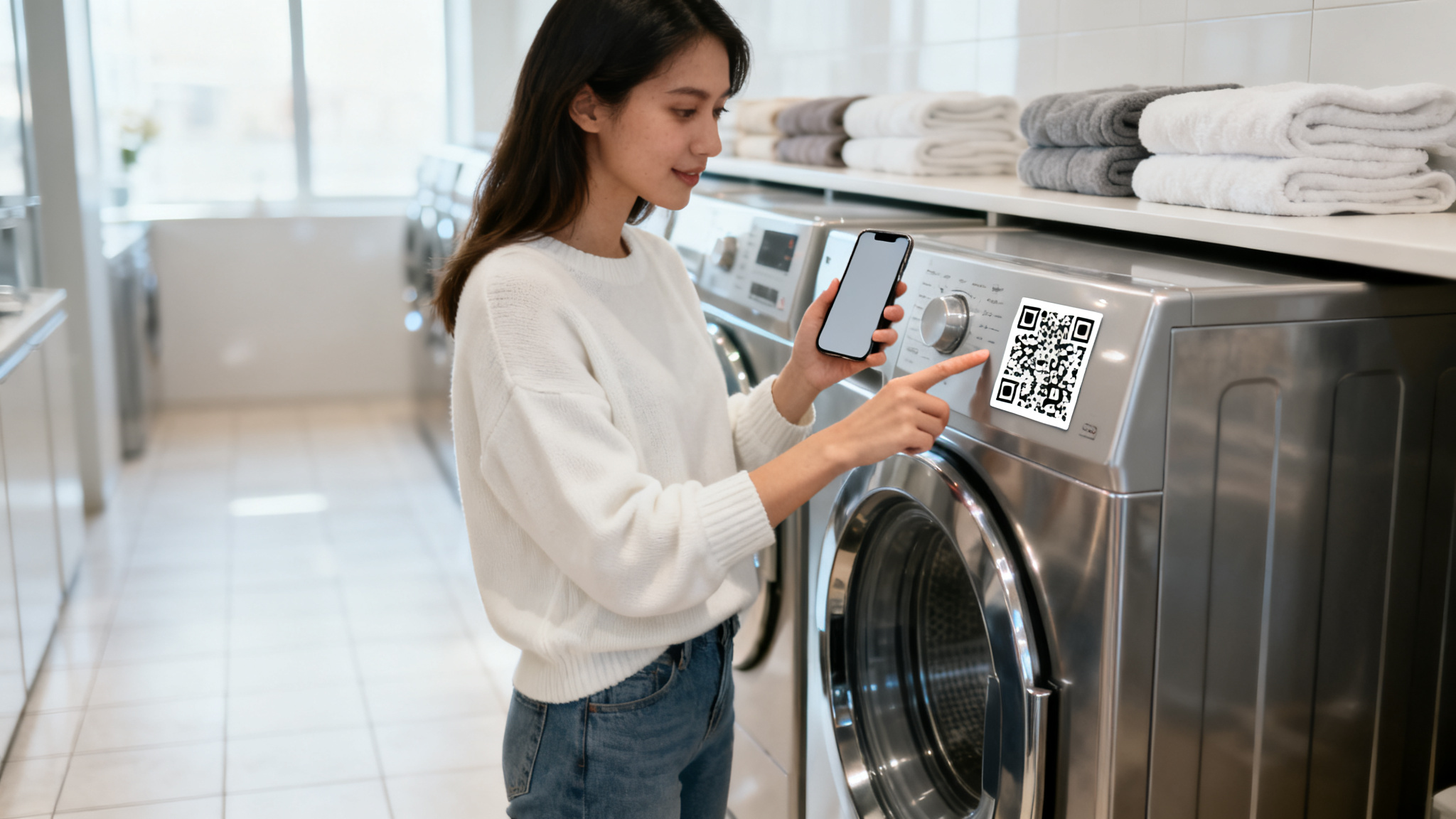
QR Code Access: Beyond Coin-Op and Keys
"Automating laundry payments has cut my weekly admin time by at least two hours. It's a small change with a big impact on my day." — condominium manager, Vancouver
Step-by-Step: Setting Up Your QR Pay-Per-Use Laundry System
Choose Your Platform
Define Pricing & Generate Codes
Install QR Stickers
Maximizing Revenue & User Experience: Pricing, Analytics, and Seamless Access
Maximizing Revenue & User Experience: Pricing, Analytics, and Seamless Access
Property owners often overlook the simple truth: a laundry room isn't just an expense; it's a potential revenue stream hidden in plain sight. By moving beyond outdated coin-op systems, Canadian properties can transform their shared laundry facilities into profit centres. Consider a single washing machine in an Airbnb cottage near Wasaga Beach, utilized just 3-4 times a day at $4 per use. That machine alone could generate $360-$480+ in monthly revenue, making a tangible difference to your bottom line.
Optimizing this revenue means embracing smart pricing. Dynamic strategies, like offering slightly lower rates during off-peak hours (e.g., Tuesday mornings) or implementing loyalty discounts, can be managed through platforms that track usage. This is where transparent analytics become crucial; detailed reports show machine utilization, peak demand times, and revenue per machine. Such data helps a condo board in Burnaby decide whether to add another dryer or adjust pricing for weekend use.
"Moving to QR access for our laundry room meant residents stopped asking for change and we stopped losing money. Now we see exactly when machines are busiest and can adjust our pricing to spread out demand." — condominium manager, Calgary
The user experience drives adoption. Guests don't want to download an app or sign up for an account just to do laundry. A modern pay per use laundry room QR access system lets them scan a QR code, pay securely in their browser (catering to the 70% of Canadians who prefer contactless payments, according to Moneris 2023 data), and immediately start their wash. No fobs, no coins, no hassle.